At just 16 years old, Cyntoia Brown-Long was sentenced to life in prison in a case that would later ignite national debate over juvenile justice, human trafficking, and the treatment of vulnerable young girls within the legal system.
Today, her story is told to depict human transformation and the enduring possibility of second chances.
A Troubled Beginning and a Harsh Sentence
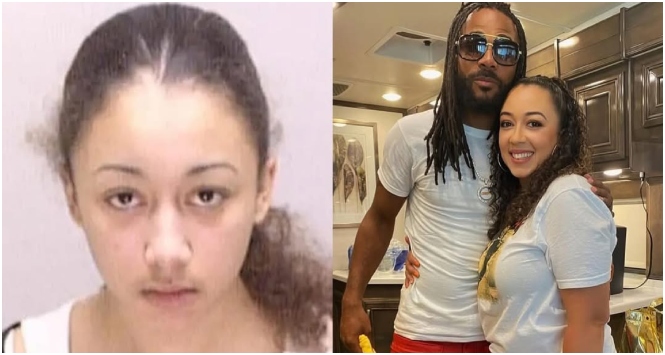
Brown-Long’s early life was marked by instability, abuse, and exploitation. As a homeless teenager, she was drawn into a cycle of violence and survival that ultimately led to her arrest in 2004 for the killing of a man she said had solicited her for sex.
Tried as an adult in Tennessee, she was sentenced to life imprisonment, despite the broader context of trauma and coercion that shaped her circumstances. Her case quickly became emblematic of systemic failures in recognizing and protecting victims of trafficking and abuse.
Education and Transformation Behind Bars
While incarcerated, Brown-Long made a pivotal decision: to invest in her own transformation. She pursued education with determination, eventually earning academic qualifications and developing a deeper understanding of the legal and social systems that had shaped her life.
It was during this period that she encountered the concept of human trafficking—an insight that reframed her own experiences.
“I want it to put a face to the justice system,” she later said, expressing her desire to humanize those often reduced to case numbers.
Her time in prison also became a period of spiritual growth and personal reflection, laying the groundwork for the advocacy work she would later undertake.
National Outcry and Clemency
Brown-Long’s case gained widespread attention, drawing support from activists, legal experts, and public figures who argued that her sentence was excessively harsh given her age and circumstances.
After serving 15 years, she was granted clemency in 2019, a decision that not only secured her freedom but also reignited conversations about juvenile sentencing laws and the need for reform.
A New Chapter: Advocacy, Education, and Healing
Since her release, Brown-Long has emerged as a powerful voice for criminal justice reform. She is now a speaker, author, and advocate, working to raise awareness about the vulnerabilities of young people—especially girls—who are at risk of exploitation.
Through mentorship and public engagement, she stressed the importance of education, self-worth, and informed decision-making, particularly in an era shaped by social media pressures.
She has also founded initiatives aimed at supporting others who remain incarcerated, seeking to ensure their stories are heard and their potential recognized.
Love, Stability, and a Future Reclaimed
Beyond her advocacy work, Brown-Long’s personal life reflects a journey of healing. She has been married to Jamie Long for six years, a relationship that began during her time in prison and has endured as a symbol of stability and hope.
Her life today is a stark contrast to the circumstances that once defined her, underscoring the transformative power of compassion, opportunity, and perseverance.
A Broader Lesson
Brown-Long’s story continues to resonate because it challenges deeply held assumptions about justice, punishment, and redemption. It raises critical questions: How should the legal system treat minors? What role should trauma and exploitation play in sentencing? And what does true rehabilitation look like?
For Brown-Long, the answer lies in empathy and reform.
“It’s important… to give them back their voices,” she has said, referring to others still trapped within the system.
Her journey—from a life sentence at 16 to a life of purpose and advocacy—serves as a compelling reminder that even in the most difficult circumstances, change is possible, and justice can evolve.