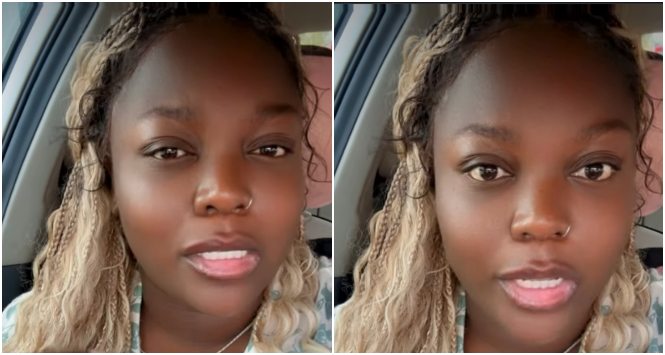
A lawsuit challenging a directory created to help patients locate Black physicians is drawing sharp reactions from the Black community, including from therapist and congressional candidate Brianna Woodson.
Brianna Woodson says the controversy reflects deeper failures in how Black patients are treated in the American healthcare system.
In a widely shared Instagram video, Woodson defended the “Find a Black Doctor” directory while recounting a near-fatal medical experience she says stemmed from a white physician failing to recognize symptoms on Black skin.
“While this white doctor is complaining that he feels left out, we are busy dying,” Woodson said.
The lawsuit was reportedly filed by Colorado dermatologist Dr. Travis Morrell, who argues that the directory discriminates against non-Black doctors by specifically promoting Black medical professionals.
The case has fueled intense debate online over race-conscious healthcare resources and longstanding disparities in medical treatment outcomes for Black Americans.
Woodson tied the issue directly to her own experience in 2022, when she says she suffered a severe reaction to the medication Lamictal that developed into DRESS syndrome, a rare and potentially life-threatening drug reaction.
According to Woodson, she repeatedly sought medical help while experiencing a high fever, jaundice, rash and worsening symptoms, but said a doctor initially dismissed her condition multiple times.
“I literally almost died because of a white doctor not listening to me,” she said.
Woodson said the physician later apologized after she was finally hospitalized and placed on oxygen, allegedly admitting he was unfamiliar with how certain medical symptoms appeared on Black skin because medical training materials largely featured white patients.
“He didn’t know what to look for on Black skin,” Woodson said.
Medical experts and researchers have increasingly raised concerns in recent years about racial disparities in healthcare, including gaps in pain management, maternal mortality rates, diagnosis delays and representation in medical education materials.
Black women in the United States continue to experience disproportionately high maternal mortality rates compared to other racial groups, according to federal public health data.
Woodson argued that directories specifically designed to connect Black patients with Black healthcare providers exist because many patients feel safer with doctors they believe will better understand or take their experiences seriously.
“If Black people were getting proper healthcare and attention when we go see these doctors, we wouldn’t have to have a find-a-Black-doctor directory,” she said.
The lawsuit also arrives amid broader national legal and political battles involving race-conscious initiatives, diversity programs and identity-based organizations following recent court decisions challenging affirmative action and other race-focused policies.
Supporters of the directory argue it serves an important public health function by helping address trust gaps and systemic inequities in medicine. Critics contend that excluding doctors based on race raises discrimination concerns.
Woodson rejected the criticism, framing the directory as a response to life-or-death realities many Black patients face inside healthcare systems.
“Maybe stop killing us when we go see you for help and we’ll think about coming back to you,” she said.