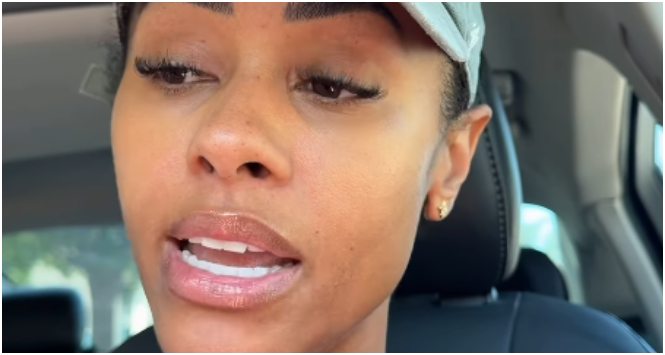
Social media influencer Mariah Navit is urging women and families to rethink how much information about their homes is publicly accessible online after revealing she was allegedly stalked by a furniture delivery worker.
In a now-viral Instagram video, Navit detailed what she described as a frightening experience that pushed her to remove photos of her home’s layout from real estate and map websites in an effort to protect her family’s safety.
“Anyone that comes into your home to do work, to visit, etcetera, is learning the layout of your home,” she said. “I don’t think we really can be cautious enough when it comes to protecting our families, our children and ourselves.”
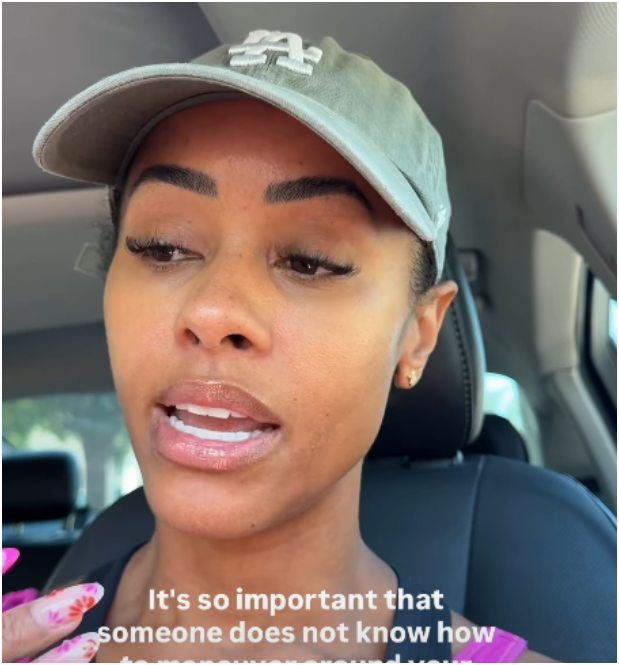
Navit said the situation began after a man delivered furniture to her home and later allegedly began stalking her. She explained that despite previously working for a coroner’s office for three years, she never imagined something similar could happen to her personally.
“I had a man start stalking me after delivering furniture to my home,” she said. “Even after working for the coroner for three years, I never would have thought something like this would have happened to me.”
The influencer used the video to share several safety precautions she now follows, including removing photos showing the interior and layout of her home from online real estate listings and blurring her home on digital map services.
According to Navit, she initially asked her real estate agent to contact the property listing agent to remove interior images from the Multiple Listing Service (MLS), but was told California law did not require their removal. She later contacted the listing agent directly and successfully had the photos taken down before also removing images from sites including Zillow and Redfin herself.
She also said she requested that Google Maps and Apple Maps blur the exterior view of her residence.
“It’s so important that someone does not know how to maneuver around your home by looking on the internet,” Navit said. “Please take the necessary steps to take the layout of your home off of the internet.”
Beyond digital privacy concerns, Navit also encouraged women not to disclose when they are alone at home and to avoid sharing vacation plans in real time online.
“As a woman, regardless of whether you feel comfortable or not, have somebody else with you in the home if someone’s doing maintenance on your home or fixing something or delivering something,” she said.
Navit noted that her experience occurred before she had public social media accounts, stressing that personal safety risks can affect anyone regardless of online visibility.
While stressing that “not everyone is a bad person,” she said the incident changed the way she thinks about security and public access to personal information.
The video has sparked widespread discussion online about digital privacy, women’s safety, stalking prevention, and the risks associated with publicly available property information.