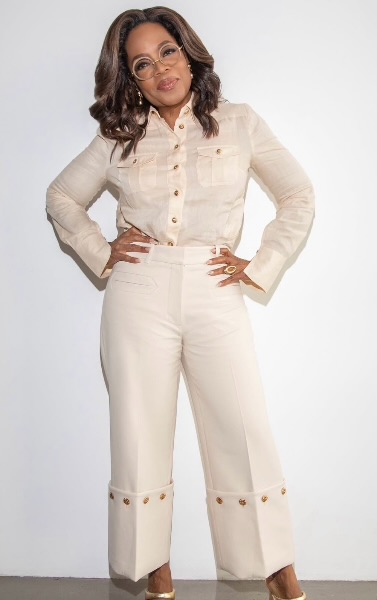
What you wear is more than just fabric and trends, it’s a powerful tool that can shape how you think, feel, and show up in the world. According to Dr. Carolyn Mair, a Chartered Psychologist and leading voice in fashion psychology, dressing for the life you want isn’t just motivational advice, it’s backed by science.
At the core of this idea is the concept of “enclothed cognition,” which suggests that clothing can influence your psychological processes. In simple terms, what you wear can directly affect your mindset and behavior. When you intentionally dress in a way that aligns with your goals, you begin to embody the traits associated with that image, whether it’s confidence, creativity, authority, or discipline.
For Black women, who have long used fashion and beauty as forms of self-expression and resistance, this concept holds even deeper meaning. Style becomes not just aesthetic, but affirmational. Choosing structured tailoring for a big meeting, bold colors for visibility, or natural hair styles that reflect authenticity can reinforce a sense of identity and purpose.
Dr. Mair explains that clothing acts as a form of communication, both to others and to ourselves. When you dress like the version of yourself you aspire to be, you send a signal to your brain that you are already stepping into that role. Over time, this consistent reinforcement can shift your confidence levels and even influence how others perceive and respond to you.
However, dressing for your future self doesn’t mean abandoning comfort or authenticity. It’s about alignment, not performance. If your goal is to feel more powerful, that might look like sharp silhouettes and clean lines. If it’s creativity, it could be playful textures, prints, or statement accessories. The key is intentionality, choosing pieces that reflect where you’re going, not just where you are.
This approach can be especially transformative in transitional phases, starting a new career, building a brand, or redefining your personal identity. Your wardrobe becomes a bridge between your current self and your desired future.
Ultimately, fashion is not superficial, it’s psychological. And as Dr. Mair’s work highlights, style is one of the most accessible ways to take control of your narrative. By dressing with purpose, you’re not just getting ready for the day, you’re actively shaping the life you want to live.