
A Tennessee woman has filed a civil lawsuit against a car dealership and one of its employees after alleging her vehicle was taken on an unauthorized late-night outing while it was in for repairs, raising legal questions about liability, consent, and consumer protection.
Kimberly Porter, a self-described car enthusiast, said she brought her Mercedes-Benz C300 AMG to a dealership in December for servicing. However, she alleges that on January 16, she received a series of GPS alerts indicating that her vehicle was in motion—despite being in the dealership’s custody.
Initially suspecting a technical glitch, Porter said her concern escalated after multiple notifications. She then drove a loaner vehicle to the location indicated by the GPS system, where she discovered her car parked outside a local establishment.
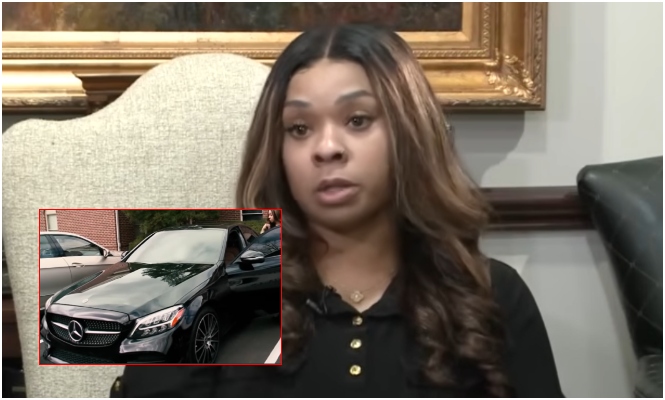
After unlocking the vehicle with a spare key, Porter contacted police. Authorities who responded to the scene reportedly found a coat inside the vehicle that did not belong to her. Identification recovered from the coat led investigators to Derrick Nguyen, a dealership employee.
Nguyen allegedly claimed he had permission to use the vehicle, but that assertion was later disputed. He was subsequently arrested and charged with theft of property.
The incident has since expanded beyond criminal proceedings. Porter alleges that following Nguyen’s arrest, dealership representatives pressured her to drop the charges. According to her account, she was told to retrieve her vehicle immediately or risk having the loaner car reported as stolen.
Porter has now filed a civil lawsuit against both Nguyen and the dealership, seeking damages related to the alleged unauthorized use of her vehicle and the dealership’s conduct following the incident.
Legal experts note that cases involving unauthorized use of customer vehicles may implicate multiple areas of law, including bailment, conversion, and negligent supervision. Dealerships, as custodians of customer property, are generally expected to exercise a duty of care and may be held liable for employee actions conducted within the scope of employment.
Additionally, allegations of coercion or intimidation—such as pressuring a complainant to withdraw charges—could raise further legal concerns, depending on the facts established in court.
The case underscores growing consumer concerns around vehicle tracking technology, which in this instance played a key role in identifying the alleged misuse. It also highlights the legal risks businesses face when internal controls fail to prevent unauthorized employee conduct.
As both the criminal case and civil litigation proceed, the matter is expected to test the extent of dealership liability and the legal remedies available to consumers in similar situations.