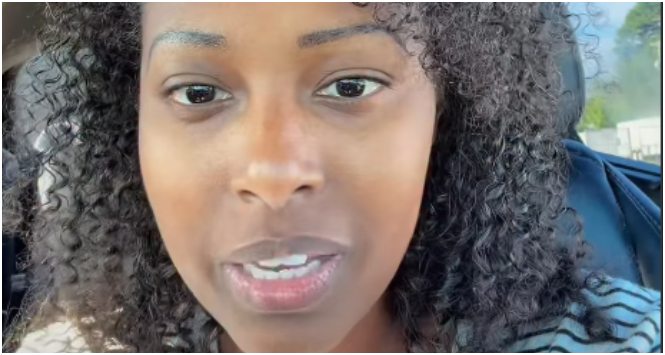
A licensed trauma therapist is challenging what she described as society’s “unrealistic version” of healing, arguing that people often celebrate survivors only after their suffering becomes inspirational and socially comfortable.
In a widely shared Instagram post, therapist Tisheila Justice said the public frequently embraces polished stories of resilience while distancing itself from the difficult realities many people experience during recovery from trauma, grief, burnout, and emotional pain.
“People want to celebrate the survivor after they have healed, not sit with them while they are dissociating, angry, grieving, struggling to function, or trying to survive another day,” Justice wrote.
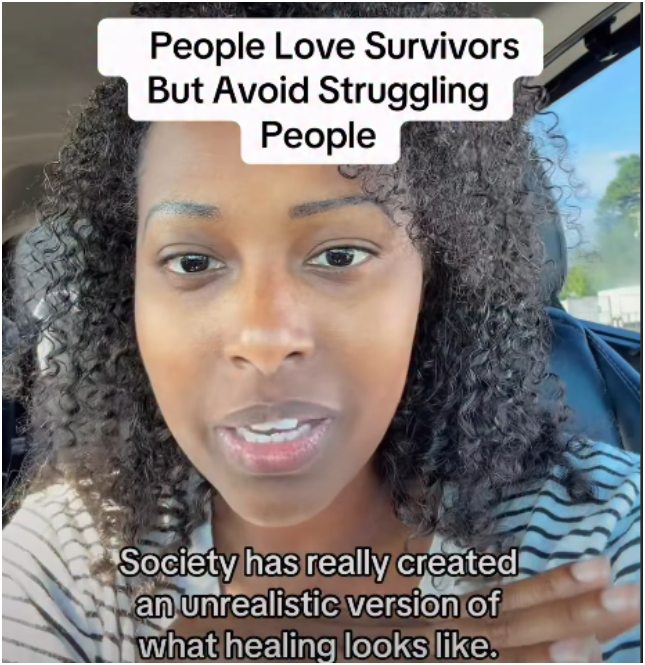
The mental health professional, who specializes in trauma therapy for women, mothers, and fathers, said healing is often “messy, isolating, exhausting, and deeply uncomfortable,” despite how it is frequently portrayed online and in popular culture.
In an accompanying video, Justice argued that society has created a narrow and unrealistic expectation of what emotional recovery should look like.
“Society perpetuates a narrative that only wants to look at the outcome and the positivity from surviving,” she said. “Healing is intentional, it’s deliberate, and it’s challenging.”
Justice said conversations about trauma recovery often skip over what she called “the ugly parts” of healing, including emotional instability, grief, setbacks, and the long-term effects of unresolved trauma.
“We can’t just keep pretending like the ugliness doesn’t exist,” she said.
Her comments arrive amid broader national conversations around mental health access, emotional burnout, financial stress, and the psychological impact of social isolation and economic instability.
Mental health advocates have increasingly warned that many people are expected to recover from trauma while lacking stable support systems, affordable care, or emotionally safe environments.
Justice argued that acknowledging the true difficulty of healing would force society to confront how often struggling people are unsupported.
“It would mean recognizing that many people are expected to heal while burned out, financially stressed, emotionally unsupported, and carrying years of unresolved trauma,” she wrote.
The therapist also suggested that inspirational survivor narratives can sometimes create emotional distance from the reality of suffering, allowing communities and institutions to avoid addressing systemic failures.
“If we were being honest about it as a society, we would recognize that it demands more of our support system,” Justice said in the video. “We need to give survivors and people who are actively healing more support than what we are giving them now.”
Her remarks have drawn strong engagement online from users who said the message reflected their own experiences with therapy, grief, anxiety, depression, and family dysfunction.
Others described feeling pressured to appear “healed” before receiving empathy or validation from friends, workplaces, or communities.
Justice professionally included a disclaimer noting that her content was intended for educational purposes only and was not a substitute for professional medical or mental health treatment.