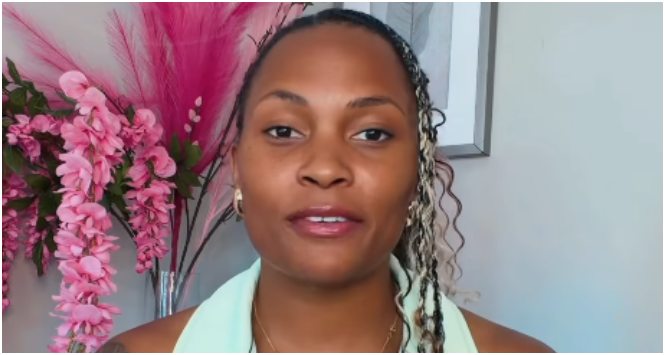
Youth mentor and advocate Izara Fontaine has questioned what she described as society’s growing indifference to the mental, emotional, and behavioral struggles facing children across the United States.
Fontaine, founder of the mentorship and intervention organization The Prison Dr. for Girls, posted a passionate message on Instagram warning that increasing rates of autism, ADHD, anxiety, depression, behavioral disorders, and suicidal ideation among young people should be treated as a national crisis.
“Is nobody alarmed at the skyrocketing rate of autism, ADHD, ADD, ODD, depression, anxiety disorders, [and] suicidal thoughts in children?” Fontaine asked in the video. “Is nobody paying attention to what’s happening to our kids?”
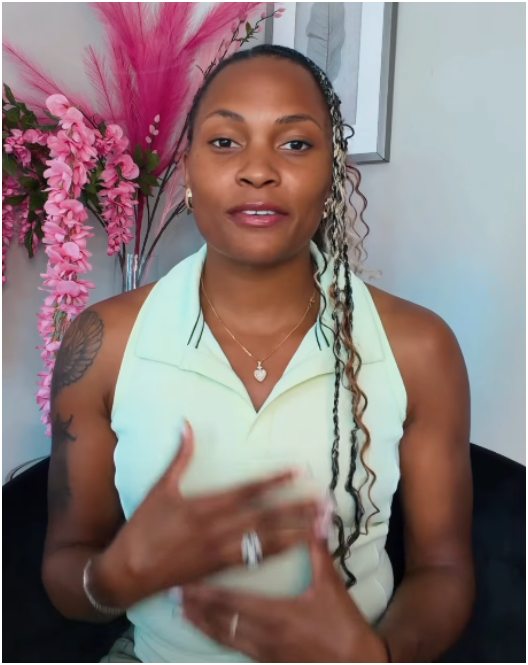
Her comments come amid continuing national conversations about children’s mental health, educational pressures, social media exposure, and the long-term effects of trauma and instability on young people.
According to data referenced in the post, autism diagnoses in the United States have risen dramatically over the last several decades. The post cited estimates showing autism rates increasing from roughly 1 in 500 children during the early 1990s to approximately 1 in 31 children today, based on recent findings from the Centers for Disease Control and Prevention.
The post also highlighted statistics related to ADHD diagnoses, anxiety, depression, behavioral disorders, and the growing use of psychiatric medications among children and teenagers.
Rather than blaming parents, Fontaine argued that the country needs deeper conversations about the environmental and social conditions shaping childhood in modern America.
“We are losing our children from every angle through social media, broken homes, trauma, lack of guidance, violence, algorithms, music, peer pressure, and a culture that profits from dysfunction,” she said.
She also criticized what she views as misplaced societal priorities, saying public attention is often consumed by celebrity gossip and online entertainment while children struggle in silence.
“People are more offended by the conversation than concerned about the children,” Fontaine said. “This is bigger than entertainment. This is bigger than politics. This is about the future of our children and the survival of our communities.”
The video sparked strong reactions online, with supporters praising Fontaine for addressing issues they believe are often ignored or minimized. Others cautioned that rising diagnosis rates may also reflect increased awareness, expanded screening practices, and improved access to mental health evaluations rather than a singular societal cause.
Mental health experts have increasingly warned about growing emotional distress among children and adolescents, particularly following the COVID-19 pandemic. Researchers and public health officials have pointed to factors including social isolation, economic instability, academic stress, excessive screen time, family disruption, and exposure to online content as potential contributors to worsening youth mental health outcomes.
Fontaine’s organization focuses on mentoring girls facing behavioral challenges, trauma, low self-esteem, and exposure to negative influences. Through her platform, she frequently discusses topics related to emotional wellness, youth violence prevention, family instability, and community accountability.
Her remarks arrive as policymakers, educators, therapists, and parents continue debating how schools, healthcare systems, and communities should respond to increasing concerns surrounding children’s mental health and behavioral development.