
Danielle Moodie is urging a fundamental shift in how society addresses male behavior and emotional health.
The hard-hitting podcast host is warning that unchecked anger and cultural norms among men are contributing to a growing crisis of violence against women.
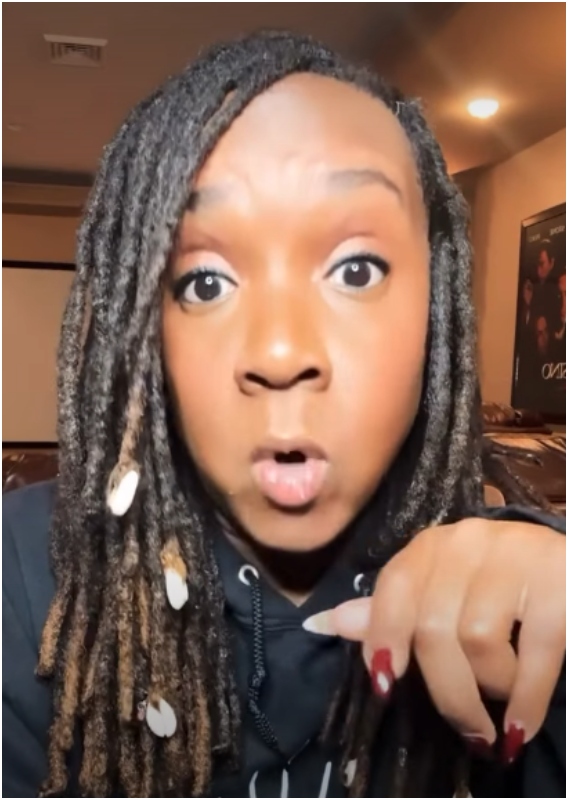
In a widely circulated social media post, Moodie delivered a blunt message: “Men need help… from HEALTHY men,” as she reflected on a disturbing pattern of killings involving Black women across the United States.
“Men are the problem right now,” Moodie said in the accompanying video. “They are angry. They don’t know how to manage emotion… and so they act out because we’ve created a society where that is okay.”
Her comments come against the backdrop of multiple high-profile killings in 2026, where at least thirteen Black women have lost their lives in cases involving intimate partners, estranged spouses, or targeted violence.
Advocates say the deaths highlight systemic failures in prevention, protection, and response to domestic abuse.
Among the victims are pregnant women, mothers, professionals, and public servants—many of whom reportedly sought help before their deaths.
Moodie emphasized that the burden of addressing male violence should not fall on women alone.
“Men need care,” she said. “And it doesn’t mean that women have to be the ones to carry. The men that are doing well… need to show up for their fellow brothers and say, ‘There is a better way.’”
She also criticized cultural responses that prioritize performative masculinity over emotional development, calling instead for therapy and meaningful intervention.
“Instead of going to masculinity camps… they need to go to emotional therapy, talk therapy,” she added.
Advocates and families of victims have echoed similar concerns, pointing to repeated warnings, prior reports of abuse, and missed opportunities for law enforcement intervention. In several cases, victims had previously reached out for protection, efforts that, according to advocates, were not taken seriously.
The killings have occurred in a wide range of settings, from private homes to public highways, underscoring what campaigners describe as a pervasive safety crisis.
“There is no safe space,” one widely shared advocacy post noted, highlighting the urgency of coordinated action across communities, institutions, and policy frameworks.
Support organizations continue to urge individuals to report warning signs, check in on vulnerable loved ones, and take threats seriously. In the United States, the National Domestic Violence Hotline remains available 24/7 for victims and those seeking guidance.
Moodie, CEO and Founder of DAM Media Strategies, is calling for renewed debate about accountability, prevention strategies, and the role of men in addressing violence within their own communities.


