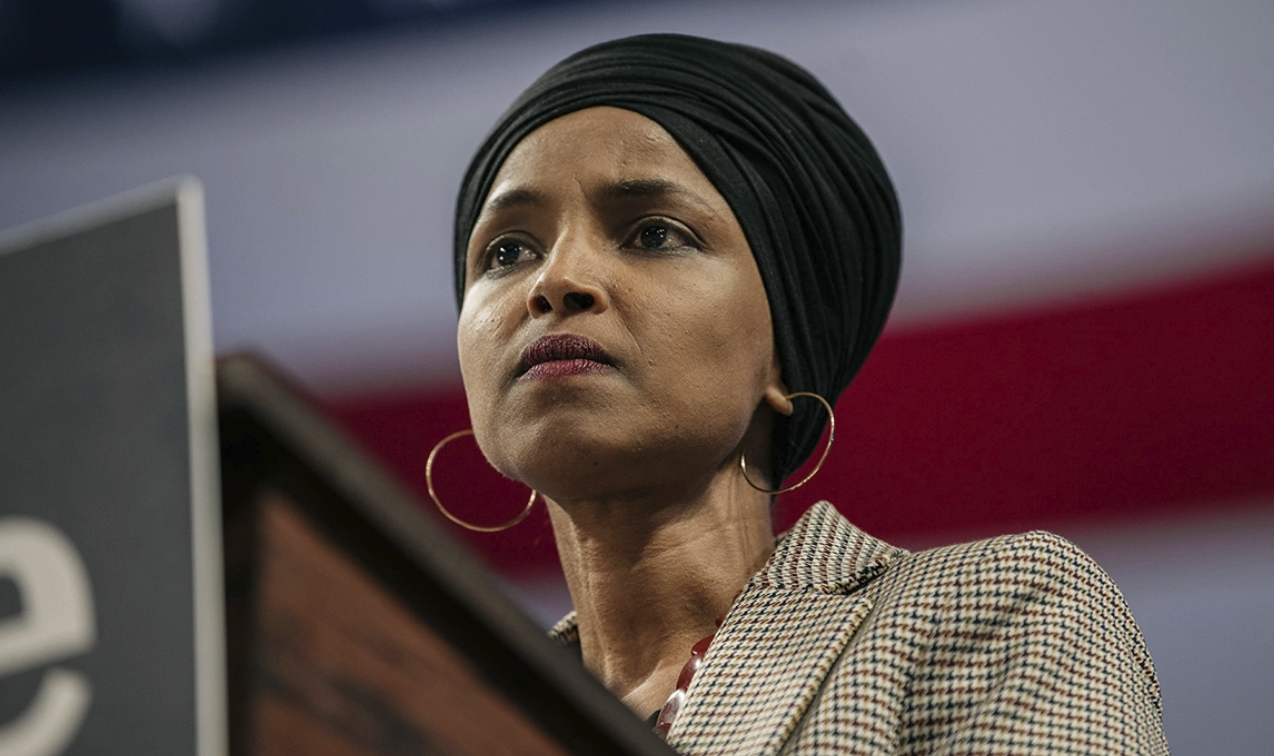
Republican lawmaker Tom Emmer launched a sharp attack on fellow Minnesota lawmaker Ilhan Omar over a controversial discrepancy in her financial disclosures.
Speaking during a weekend television appearance, Emmer described Omar as a “complete fraud,” in what many observers say escalates partisan tensions as questions mount over an earlier filing that significantly overstated Omar’s net worth.
Discrepancy Sparks Scrutiny
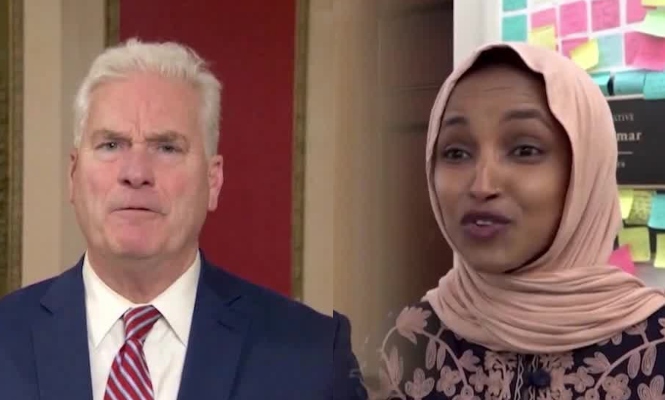
The controversy centers on a congressional financial disclosure that initially listed Omar’s assets as ranging between $6 million and $30 million, figures that quickly drew scrutiny from Republicans and watchdog groups.
However, an amended filing later revised those figures dramatically downward, showing that Omar and her husband’s assets fall between approximately $18,000 and $95,000.
Omar’s office attributed the discrepancy to a major accounting error, explaining that the correction was made promptly once identified.
“The amended disclosure confirms what we’ve said all along: The congresswoman is not a millionaire,” said spokesperson Jacklyn Rogers, reinforcing the claim that the original figures were inaccurate.
Republican Calls for Investigation
Despite the correction, Republican lawmakers are pressing for further review. Emmer argued that the situation raises serious questions about accountability and transparency.
“If she is discovered to be involved in any of this fraud personally… she should be held accountable to the fullest extent,” he said.
Similarly, James Comer, chairman of the House Oversight Committee, indicated that he has been urging the House Ethics Committee to examine the matter more closely.
Comer noted that while the Oversight Committee does not directly handle such investigations, the revised filing could prompt further inquiry by the appropriate ethics body.
“I think the Ethics Committee has a lot of questions for her,” Comer said, signaling continued Republican pressure for answers.
Broader Political Context
The dispute unfolds against a backdrop of heightened partisan scrutiny over financial disclosures and ethics compliance among members of Congress. Such filings are required to provide transparency about lawmakers’ assets, income, and potential conflicts of interest.
While errors in disclosures are not uncommon, large discrepancies, particularly those involving millions of dollars, can trigger political backlash and calls for investigation.
What Comes Next
At this stage, no formal findings of wrongdoing have been announced, and Omar’s office maintains that the issue was purely administrative.
However, the situation is likely to remain under political and public scrutiny as lawmakers weigh whether further review is warranted.
The case underscores the importance of accuracy in financial reporting for public officials, as well as the broader political stakes tied to transparency and accountability in government.