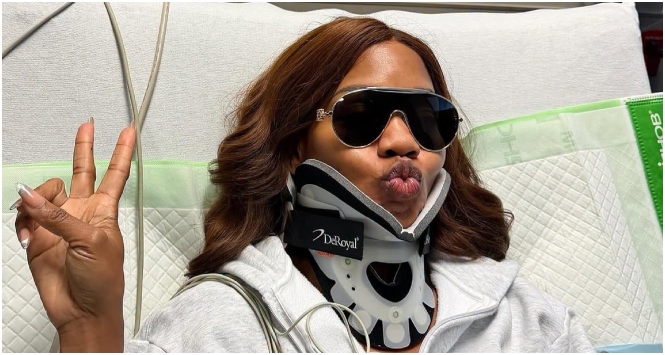
Sarah Jakes Roberts is opening up about a frightening health scare that nearly resulted in paralysis, sharing how a routine moment with her daughter quickly turned into a life-altering emergency.
The author, speaker, and pastor shared on social media that she was seriously injured while playing on a trampoline with her child. During the activity, Roberts said she landed directly on her neck, immediately sensing something was wrong.
“I instantly heard several pops,” she explained, describing the moment that led to an urgent medical response.
A Narrow Escape From Paralysis
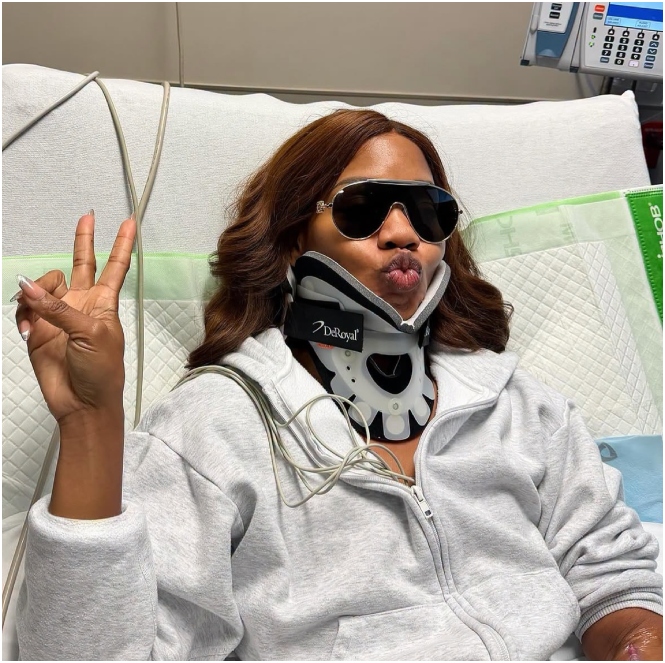
Roberts was rushed for medical care and transported between two hospitals, where doctors conducted multiple scans to assess the damage.
The diagnosis revealed the severity of the incident: a fractured neck, herniated discs, and trauma to critical areas of her spine.
Medical professionals warned that the outcome could have been far worse.
According to Roberts, if the injury had occurred “one disc up or one disc lower,” it might have resulted in paralysis—highlighting just how narrowly she avoided a devastating outcome.
Recovery and Reflection
As she begins the healing process, Roberts will be wearing a neck brace for the next four to six weeks. She told followers she plans to “lie low” while focusing on rest and recovery.
Despite the traumatic experience, Roberts expressed deep gratitude, framing her survival through the lens of faith and perspective.
Rather than dwelling on what could have happened, she expressed thankfulness that the incident did not permanently alter her life.
Support From Fans and Public Figures
Following her announcement, an outpouring of support flooded social media.
Among those sending well wishes was actress Taraji P. Henson, who responded with prayer emojis, while fans and fellow public figures offered encouragement and messages of healing.
Roberts also reassured her audience with a touch of humor, noting that while she may be moving slower in public during recovery, she remains “very much herself.”
Her experience shows how quickly accidents can happen, even in familiar, everyday settings—and how critical spinal injuries can be.