A women’s health advocate and physician is challenging what she describes as a deeply ingrained belief that women should simply endure pain, particularly in healthcare settings.
In a widely shared social media video, Dr. NG argued that many women are conditioned to expect discomfort and suffering as a normal part of their medical care, often without being fully informed about pain management options.
“Pain is not the price of being a woman,” she said. “Advocating for yourself is not being difficult. Your pain is real and you’re allowed to say so.”
Questioning a Long-Accepted Healthcare Norm
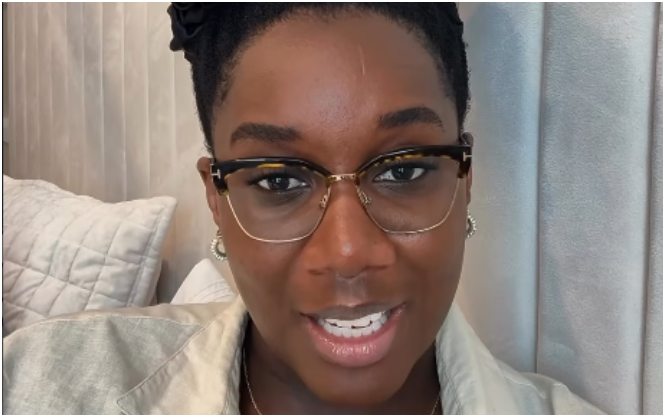
The physician said her perspective changed after entering medicine and observing how pain is often discussed—or not discussed—with female patients undergoing common procedures.
“I used to think that beauty is pain was just a saying,” she explained. “And then I became a doctor.”
According to Dr. NG, the cultural message that women should tolerate discomfort extends far beyond beauty standards and has become embedded in healthcare experiences.
“Every day, women walk into doctors’ offices expecting some level of discomfort,” she said. “And they leave having experienced something completely different.”
She pointed to procedures such as IUD insertions, cervical biopsies, colposcopies, and endometrial biopsies as examples where conversations about pain management are often limited or absent.
‘Routine’ Does Not Mean Painless
One of the most poignant points in her message centered on the difference between a procedure being common and a procedure being comfortable.
“A procedure can still be common and be painful,” she said. “A procedure can still be routine and deserve a conversation.”
Dr. NG argued that many patients are told little more than to take an over-the-counter pain reliever before an appointment, leaving them unprepared for what they may experience.
“Take an ibuprofen before you come in. That’s usually the extent of the conversation,” she said.
As a result, some women arrive expecting minor discomfort and find themselves experiencing significant pain without having been informed about alternatives or additional support.
A Call for Better Conversations
The physician also highlighted what she sees as a disparity in how pain concerns are addressed for men and women.
“When men have an in-office procedure, the conversation about pain is standard of care, expected, no one questions it,” she said.
By contrast, she argued that women who express concerns about pain are sometimes dismissed as overly anxious or difficult.
“When a woman expresses fear about pain, she’s made to feel dramatic, anxious, difficult, like her concern is the problem,” she said.
Dr. NG noted that she has personally undergone some of the same procedures she discusses and was surprised by how painful they could be, despite her medical training.
Encouraging Women to Speak Up
The video concludes with a message of empowerment for patients preparing for medical procedures.
Dr. NG encouraged women to ask questions about what to expect, request information about pain management options, and advocate for themselves if they feel their concerns are being overlooked.
“If you’re ever facing a procedure and you’re worried about pain,” she said, “you’re allowed to ask, ‘What are my pain management options? What is this supposed to feel like? Can we pause? Why am I not being offered pain medication?’”
Her message has resonated with many women online who shared their own experiences with painful medical procedures and praised the call for more transparent conversations between healthcare providers and patients.
For Dr. NG, the issue is ultimately about changing expectations that have persisted for generations.
“The same world that taught us ‘beauty is pain’ also taught us that our discomfort is normal,” she said. “Our fear is excessive, and our suffering is something that we should just push through quietly.”
Her response is simple: women deserve better information, better communication, and the freedom to acknowledge pain without apology.