A viral social media video featuring an elderly Black woman criticizing public transportation changes in Atlanta is drawing renewed attention to concerns about transit accessibility for seniors and low-income residents in parts of the city.
The clip, shared widely on Instagram by the account “NotWoke | Just humane,” shows the woman expressing frustration over alleged bus route cuts and rerouting affecting elderly residents who depend on public transportation for daily necessities.
In the emotional exchange, the woman claimed seniors are now being forced to walk long distances, including across bridges and near Interstate 20, to access bus stops.
“We got to cross two bridges,” she said in the video. “We have to walk and that’s a longer walk.”
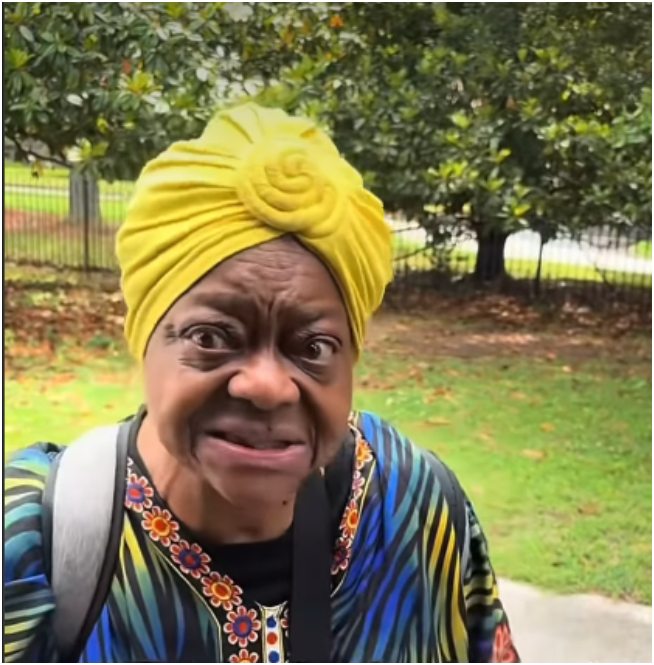
The woman further alleged that the transit changes disproportionately affect Black communities and accused officials of ignoring residents’ concerns during town hall meetings and public complaints. Some of her more serious claims — including allegations of intentional racial targeting and efforts to “shut our people down” — have not been independently verified.
“They’re trying to kill us,” she said at one point in the video. “Somebody got mugged already. It’s serious.”
The video’s caption claimed that MARTA had “cut all bus lines” in parts of the community and now requires elderly residents to walk more than 30 minutes to reach destinations. However, those claims also remain unverified as of publication.
The woman cited previous local news coverage and said residents had contacted the Metropolitan Atlanta Rapid Transit Authority, commonly known as MARTA, about transit concerns. She alleged residents were told no route “readjustments” would be considered for up to a year.
As of publication, MARTA and local authorities had not publicly responded to the viral video or the specific allegations circulating online.
The post has fueled broader conversations on social media about transportation equity, urban planning, and the impact of transit service changes on elderly residents, people with disabilities, workers, and communities without reliable access to private vehicles.
Transit advocates have long argued that reductions in bus service or route accessibility can disproportionately affect vulnerable populations, particularly seniors who rely heavily on public transportation for healthcare visits, grocery shopping, and essential travel.
The viral clip has since generated thousands of reactions online, with many users calling for city leaders and transit officials to address concerns raised by residents in affected neighborhoods.