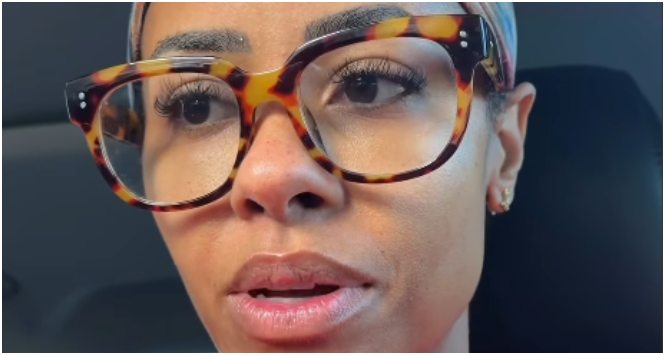
As conversations around maternal mental health and the realities of parenting continue to grow online, influencer and mother Mariah Navit is drawing attention after sharing an emotional reflection on how motherhood transformed her marriage, identity, and daily life.
In a candid Instagram video, Navit challenged the idea that mothers must choose between expressing gratitude for their children and acknowledging the emotional, physical, and relational strain that parenting can bring.
“Motherhood is incredibly hard but I love my sons so much and those two things can exist,” Navit said. “I can still say I was happy to have my baby as an addition to our family. I can also say that the baby put a huge wedge in my marriage.”

The creator, who often shares lifestyle and parenting content online, spoke openly about the pressures many women quietly navigate after having children. She revealed that she and her husband had to “literally rebuild” their marriage after becoming parents, while also discussing the exhaustion that has followed her since the birth of her sons.
“I live in a constant state of tired since the day my sons were born,” she said.
Navit’s comments quickly resonated with mothers across social media platforms, where discussions surrounding postpartum depression, postpartum anxiety, burnout, breastfeeding challenges, and relationship strain have become increasingly common.
She also reflected on the emotional complexity of breastfeeding, describing it as both intimate and deeply difficult.
“I loved that intimate part of breastfeeding,” Navit explained, “but I can also admit that breastfeeding was one of the most challenging things that I’ve ever done.”
The influencer revealed that she stopped breastfeeding three months in, adding another layer to ongoing public conversations about the unrealistic expectations many mothers place on themselves during early parenthood.
Mental health experts have long warned that societal pressure to portray motherhood as constantly joyful can leave women feeling isolated when they experience exhaustion, grief over lost independence, or relationship difficulties after childbirth. Increasingly, online creators and mothers have begun speaking more openly about the realities of parenting beyond curated family images.
Navit also touched on the loss of personal freedom many parents experience after children arrive.
“Sometimes I miss my life and I miss just vegging out on the couch watching shows, doing what I wanted to do and being an independent person,” she admitted.
At the same time, she stated that acknowledging hardship does not diminish love for one’s children.
“We can still love being mothers but we can also say it is incredibly hard at the same time,” Navit said. “Those two things can exist at the same time.”
Her remarks arrive amid broader cultural conversations about maternal burnout, the unequal emotional labor often placed on mothers, and the growing push for more honest depictions of parenting and marriage after children.