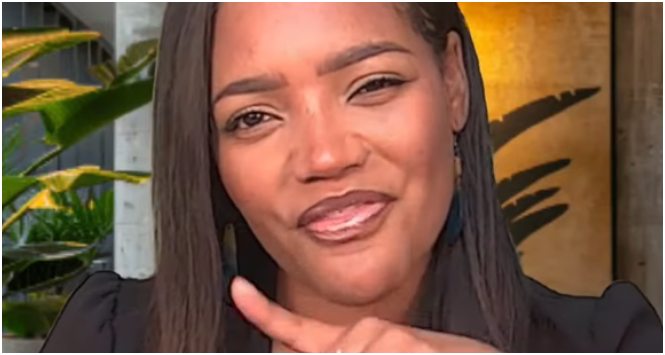
A viral social media video about reparations, historical trauma, and racial double standards in America is trending because of how a digital creator provocatively questioned why Black Americans are often told to “move on” from the legacy of slavery and systemic racism while other harmed groups have received compensation or public acknowledgment.
In a widely shared Instagram post, digital creator Freedom in Yeshua challenged viewers to examine what she described as inconsistent national responses to historical injustice.
“Why must trauma be forgiven and forgotten only when the victim is us?” she asked in the video. “Sit with that. Pause and think about that just a little bit further.”
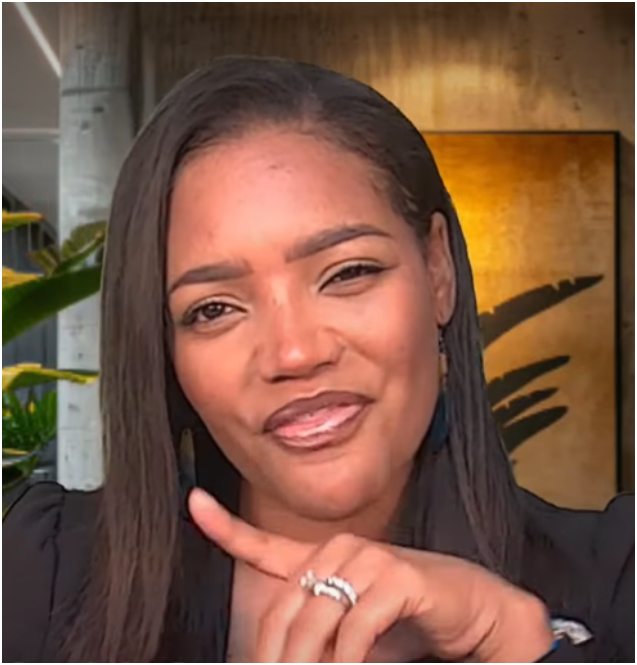
The creator’s remarks centered on how the United States has historically addressed harms suffered by different communities. She referenced reparations paid to Japanese Americans interned during World War II, restitution efforts involving Native Hawaiians, and long-term compensation programs for first responders affected by the September 11 attacks.
“If Black people should just get over it, why hasn’t any other group in U.S. history ever been told that?” she said.
Her comments arrive amid renewed national debates surrounding reparations for descendants of enslaved Africans, racial wealth disparities, and how America teaches and discusses the long-term effects of slavery and segregation.
Advocates for reparations have long argued that slavery’s economic and social consequences continue to shape disparities in housing, education, healthcare, criminal justice, and generational wealth.
According to multiple economic studies, the racial wealth gap between Black and white Americans remains substantial, with Black households possessing significantly lower median wealth than white households.
Critics of reparations, however, often argue that modern generations should not bear responsibility for historical injustices committed centuries ago. The creator directly addressed that argument in her video, asking viewers why some forms of collective historical accountability are widely accepted while discussions about Black reparations often provoke backlash.
“Why is the reflex always self-protection instead of self-reflection?” she asked.
The video has generated significant online engagement, with supporters praising the creator for raising questions about selective empathy and national memory.
Others challenged some of the historical and political claims made in the video, reflecting the broader divisions that continue to surround reparations discourse in the United States.
Experts in trauma studies and racial justice have increasingly argued that unresolved historical harms can have intergenerational impacts on communities. Scholars also note that public acknowledgment, memorialization, and compensation programs often play a role in national reconciliation efforts following periods of state-sanctioned discrimination or violence.
The creator’s comments also touch on growing conversations around how Black history and systemic racism are discussed in public spaces, schools, and politics — particularly as debates intensify over voting rights, diversity initiatives, and racial equity policies.
While the video reflects one creator’s perspective, its rapid spread online underscores how discussions about reparations and historical accountability remain deeply emotional and politically charged topics in modern America.