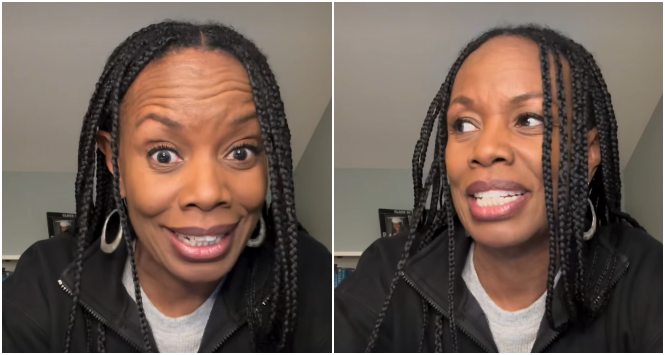
Shanera Williamson shared what she described as a troubling experience at the polls that left her questioning how modern voter suppression can manifest in subtle but discouraging ways.
In a candid Instagram video posted to her platform, @brownmamabearpodcast, Williamson recounted an incident during her state’s primary election that she said felt different from any voting experience she had previously encountered.
“Not blatant. Not loud,” Williamson wrote in the caption. “But subtle enough that someone else might have second-guessed themselves… or walked away.”
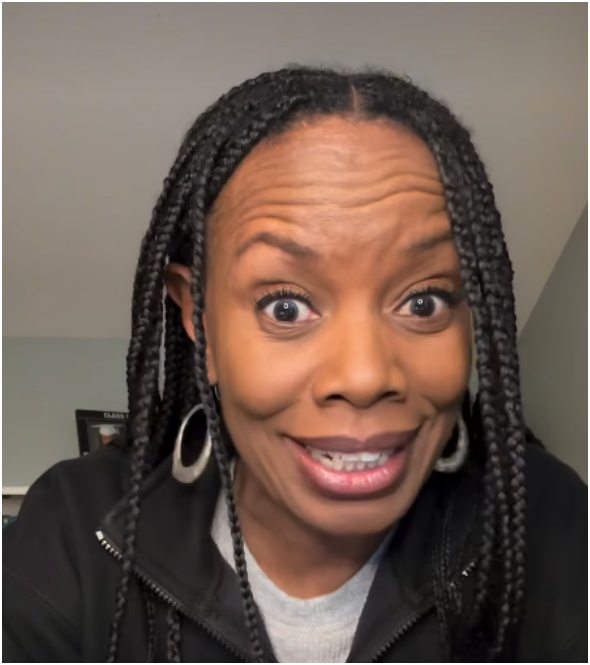
According to Williamson, she arrived at her polling location informed and prepared, knowing exactly which ballot she intended to request in her state’s open primary system. However, she said a poll worker handed her the wrong party ballot and then allegedly encouraged her to simply keep it rather than immediately correcting the mistake.
“She asked me to just use that one that she had given me because after all, I would have more choices with that particular ballot,” Williamson explained in the video.
Williamson said the interaction became increasingly uncomfortable when the poll worker repeatedly questioned her address and hesitated while verifying her identification because her hairstyle looked different from the image on her ID.
“You could see that it was the same face,” she said. “Still, there was this hesitation. It’s like she didn’t want to give me my own ballot.”
The podcaster noted the delay became so extensive that her husband, who had been behind her in line, completed the voting process and waited for her outside before she was finally allowed to cast her ballot.
Williamson connected the experience to broader national conversations surrounding voting rights protections and voter access, particularly in communities of color.
“What happens when protections get stripped away from us?” she asked, referencing recent debates surrounding the Voting Rights Act of 1965. “What things get normalized that once were unacceptable?”
Rather than leaving the polling place discouraged, Williamson said the incident deepened her appreciation for civil rights activists who fought for ballot access during the Jim Crow era.
She specifically invoked the legacies of John Lewis, Fannie Lou Hamer, and Jimmy Lee Jackson, along with countless unnamed activists who endured violence and intimidation during the fight for voting equality.
“I realized there are hundreds of other people who protested and had voter registration drives, and people who faced violence and were even unalived, so that I would have the right to go back and forth with my poll worker,” she said.
Williamson later filed a formal complaint with her local elections office and stated she was informed that the poll worker had allegedly violated multiple aspects of election training procedures.
Her story has resonated online as many voters continue discussing how modern barriers to voting may appear less overt than historical literacy tests or poll taxes, yet still create confusion, intimidation, or discouragement at polling places.
In closing, Williamson urged voters not to disengage despite frustrating experiences.
“We need to remember the legacy on the shoulders that we stand on,” she said. “And no matter what, get out and vote every time, every election.”
She ended her message with a reminder about the upcoming midterm elections in six months, encouraging civic participation and vigilance at the ballot box.