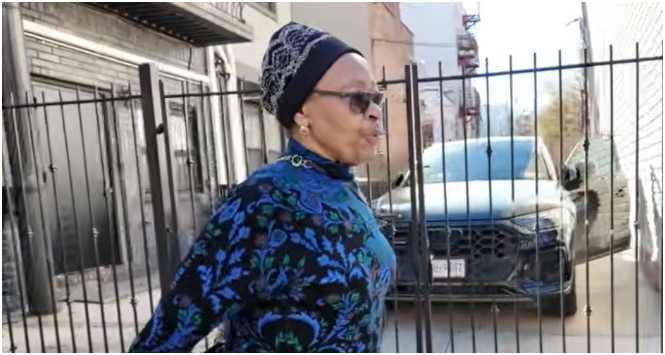
A Brooklyn elder who spent decades restoring and preserving her Clinton Hill brownstone now says she is fighting to reclaim the home she believes was stolen from her through an alleged “deed theft” scheme tied to New York City’s aggressive wave of gentrification.
For Vyra Lynn Jones, the story of modern Brooklyn is not one of revitalization, but erasure.
“They are stealing Brooklyn,” Jones told Jennifer Kings on YouTube during a deeply emotional walking tour of the neighborhood she once called home for nearly 30 years.
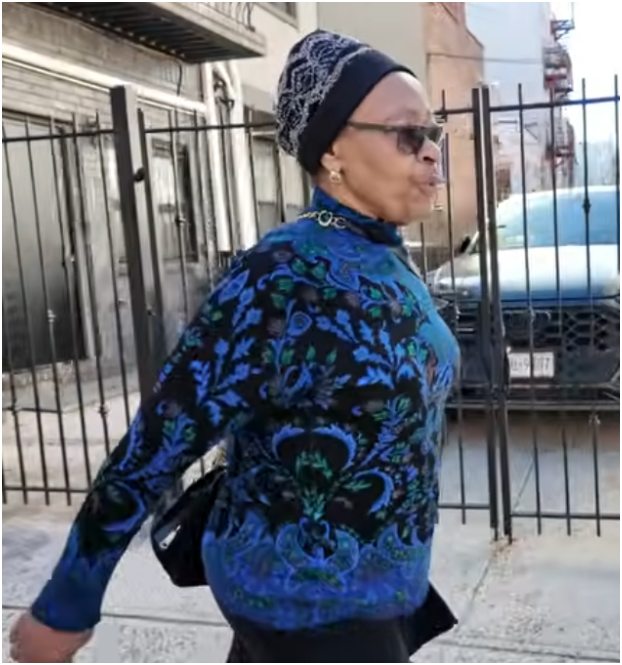
Jones purchased her brownstone in Clinton Hill in 1996 for less than $180,000 after years of working multiple jobs. Today, she says the property is worth roughly $3.5 million. But despite decades of ownership, Jones alleges she was pushed out through what she describes as a fraudulent foreclosure and coordinated harassment campaign involving developers, city agencies, and legal actors.
“They sold my house behind my back,” Jones said. “It feels like you’re being raped. Totally raped.”
According to Jones, the nightmare began in 2022 when strangers appeared outside her home claiming ownership of the property.
“I opened my gate and said, ‘Can I help you?’” she recalled. “They said, ‘Oh, we own your house now.’”
Jones alleges the property was wrongfully placed into foreclosure despite her claim that she had financing available to refinance her mortgage. She says auction notices were intentionally sent to a neighboring address, preventing her from learning her home was allegedly being sold.
The allegations come amid growing concerns across Brooklyn about deed theft targeting elderly homeowners in rapidly gentrifying neighborhoods such as Clinton Hill and Bedford-Stuyvesant.
Once dismissed as neglected areas filled with boarded-up buildings, many Brooklyn neighborhoods have transformed into some of New York City’s hottest real estate markets. Longtime Black residents who helped stabilize these communities during decades of disinvestment now increasingly face rising taxes, speculative development, aggressive investors, and legal battles over inherited or distressed properties.
Jones described the transformation in stark terms.
“Gentrification is true,” she said. “It’s ethnic cleansing.”
Throughout the interview, Jones pointed to luxury developments replacing vacant lots, churches losing congregations, and longtime neighbors moving south because they can no longer afford Brooklyn living costs.
“They’re taking our churches,” she said while visiting Grand Memorial Baptist Church, which she fears could one day become another condominium project.
Jones also claims she experienced repeated harassment from city inspectors and housing officials while trying to remain in her property. She says agencies frequently issued violations and attempted inspections she believed were designed to pressure her out.
Her story reflects a broader anxiety among Black homeowners who see wealth accumulated over generations becoming vulnerable in neighborhoods where property values have skyrocketed.
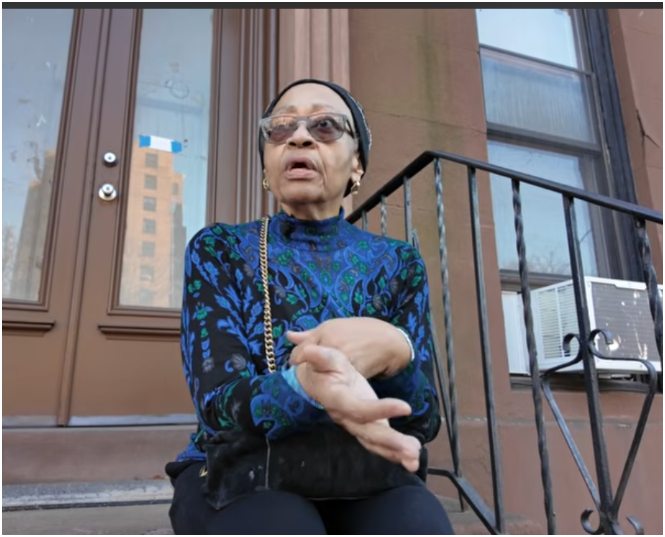
Housing advocates have long warned about deed theft scams in New York City, particularly targeting elderly Black and Latino homeowners unfamiliar with complicated foreclosure proceedings or vulnerable to predatory lending practices.
Jones says the emotional toll has been devastating. Since her eviction last year, she has reportedly been living inside her office space while storing an extensive African art collection she hoped would one day become a cultural museum for Brooklyn residents.
A former Peace Corps volunteer in Ghana and former United Nations volunteer in China, Jones devoted decades to studying African art and culture. Her collection includes ceremonial masks, fertility figures, rare books, and artifacts gathered from across the African continent.
“This museum is going to happen,” she said. “We’re going to have some fun once I get over this deed theft stuff.”
Jones says she continues fighting in court while supporting other elderly New Yorkers facing similar housing disputes.
At a recent hearing, she described watching an 83-year-old woman lose her home despite allegedly having no mortgage debt.
“They target senior citizens,” Jones said. “The wicked, wicked, wicked.”
As cranes rise and luxury developments reshape Brooklyn’s skyline, stories like Jones’ are fueling renewed debate over who truly benefits from urban redevelopment, and who gets left behind when neighborhoods become profitable.
For Jones, the issue is personal, cultural, and existential all at once.
“We had peace and quiet. We had community,” she said while standing outside the brownstone she still calls home. “I worked too hard for this. They’re not going to win.”