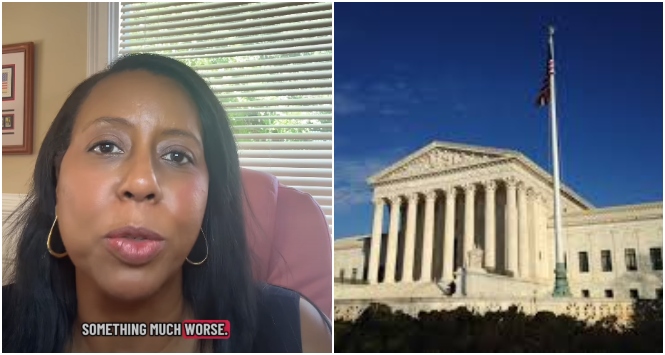
A social media commentary by attorney Danielle Bess is drawing renewed attention to concerns about press freedom, digital privacy, and government access to personal data after reports that federal investigators sought information about viewers of political commentator Don Lemon’s online program.
In a video shared on Instagram, Bess argued that the issue extends beyond a single media personality and raises broader questions about the privacy rights of ordinary Americans who consume political content online.
“They are now coming after you,” Bess said, warning viewers that efforts to obtain subscriber information from YouTube could potentially affect everyday citizens who watch or follow political commentary online.
According to Bess, reports indicate that the U.S. Department of Justice sought judicial approval multiple times to compel YouTube to provide identifying information related to subscribers and viewers of The Don Lemon Show, including names, email addresses, physical addresses, telephone numbers, and IP addresses.
Bess said the reported request represented a troubling escalation beyond investigations targeting high-profile political figures or commentators.
“You didn’t care that this administration was going after James Comey or Letitia James or Hasan Piker or E. Jean Carroll,” she said. “They are now coming after you.”
Concerns Over Viewer Privacy
In her commentary, Bess framed the issue as a matter of constitutional freedoms and government overreach, arguing that attempts to obtain audience information could have a chilling effect on speech and political engagement.
“This is what happens in an authoritarian regime,” she said. “No one is safe. Their behavior escalates.”
Bess argued that the collection of subscriber and viewer information could discourage people from consuming political content or engaging with viewpoints that may be unpopular with those in power.
“If you are listening to Don Lemon and you may not even like Don Lemon, you may just be listening to him for shits and giggles, but they are going after you because you might be a supporter of Don Lemon,” she said.
Judge Reportedly Rejected Request
A central point of Bess’ commentary was that a judge reportedly declined to approve the requested search warrant.
“A judge refused to sign the search warrant saying they couldn’t justify why they needed this information,” she said.
According to Bess, the judge’s decision prevented the release of the information sought and temporarily protected the identities of viewers and subscribers.
“You’re safe for now,” she said, before adding a cautionary note: “But they don’t stop.”
Broader Debate
The controversy arrives amid ongoing national debates over digital privacy, government surveillance powers, freedom of the press, and the extent to which authorities can access data held by technology companies.
Civil liberties advocates have long argued that government efforts to identify readers, viewers, subscribers, or followers of political media outlets raise serious First Amendment concerns because such actions may discourage citizens from seeking information or engaging in political discourse.
Bess concluded her remarks by urging viewers to consider the broader implications of the reported effort.
“Their goal is to silence anyone who disagrees with them,” she said. “Are you concerned yet?”
The discussion highlights continuing tensions between investigative powers, privacy rights, and constitutional protections in an era when political engagement increasingly occurs through digital platforms and online media.