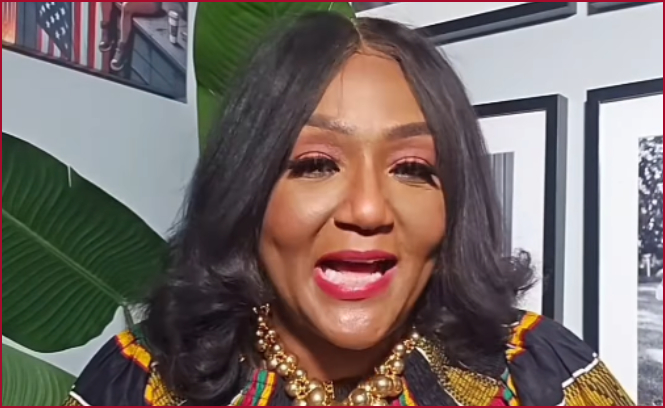
As communities across the United States prepare to celebrate Juneteenth, one commentator is urging people to look beyond the moment freedom arrived and focus on what Black Americans built in its aftermath.
Podcaster Nikki Free says one of the most overlooked parts of Juneteenth history is not June 19, 1865 (the day enslaved Black people in Texas learned they were free), but the remarkable efforts Black communities made afterward to preserve and protect that freedom.
“Freedom is not just something you receive,” Free said in a recent social media video. “Freedom is something you protect, something you build, something you pass down.”
Juneteenth commemorates the day Union troops arrived in Galveston, Texas, and informed enslaved people that they were free, more than two years after President Abraham Lincoln issued the Emancipation Proclamation.
But according to Free, the story did not end there.
“After emancipation, Black Americans didn’t simply celebrate freedom,” she said. “They had to fight to protect it.”

In the years following the end of slavery, segregation and racial discrimination often prevented Black Americans from gathering freely in public spaces.
Rather than waiting for access or permission, many Black communities pooled their resources to purchase land and create their own places to celebrate, organize, and build institutions.
One of the most notable examples is Emancipation Park in Houston, Texas.
In 1872, just seven years after slavery ended, four Black leaders, Jack Yates, Richard Allen, Richard Brock, and Elias Dibble, purchased 10 acres of land to establish a dedicated space where Black Texans could gather for Juneteenth celebrations and community events.
The park remains a focal point for Juneteenth observances more than 150 years later.
“Formerly enslaved people and their descendants didn’t wait for somebody else to make room for them,” Free said. “They built their own room.”
Historians note that similar “Emancipation grounds” emerged across Texas and other parts of the South, becoming centers of culture, education, civic engagement, and community life during an era when many public institutions remained closed to Black Americans.
For Free, those efforts offer an important lesson for modern audiences.
“The story isn’t just that our ancestors were freed,” she said. “The story is that they immediately got to work.”
She pointed to the churches, schools, businesses, parks, and community organizations established by formerly enslaved people and their descendants—many of whom were building opportunities for future generations they would never meet.
As Juneteenth celebrations continue to grow nationwide, Free believes remembering that legacy is essential.
“Freedom arrived on June 19, 1865,” she said. “But what Black people built afterward is the reason we’re all still here.”
Her message resonates with a broader understanding of Juneteenth as not only a celebration of liberation, but also a recognition of the resilience, self-determination, and institution-building that helped Black communities transform freedom from a legal declaration into a lasting reality.