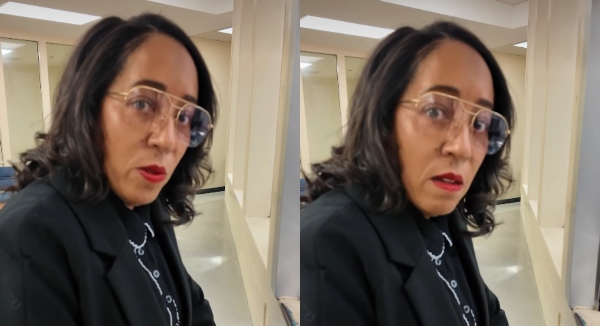
Fulton County Commission Chair candidate Mo Ivory is making jail reform a centerpiece of her runoff campaign, arguing that the county’s long-troubled detention facility cannot be fixed without both reducing the number of people entering the system and replacing what she describes as an inadequate jail facility.
Speaking in a recent interview with Courier Georgia, Ivory said the challenges facing the Fulton County Jail have persisted for decades and require a comprehensive approach that addresses both overcrowding and deteriorating conditions.
“It’s so important to talk about fixing the jail because it’s been a decades-long problem,” Ivory said. “Not one decade, not two. Almost since it was built in 1989, it’s been overcrowded.”
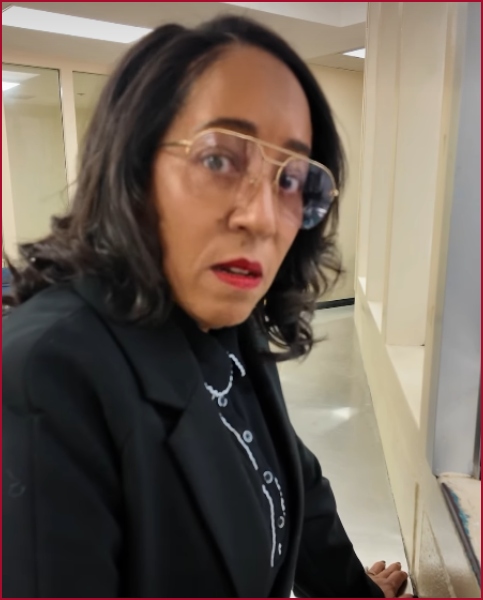
Ivory, who advanced to a Democratic primary runoff against longtime incumbent Robb Pitts after receiving the most votes in last month’s election, said many people currently entering the criminal justice system should be diverted to alternative programs instead of being jailed.
“There are a lot of people that really shouldn’t go to jail in the first place,” she said. “They should be diverted.”
The attorney and political newcomer pointed specifically to individuals accused of nonviolent misdemeanor offenses, arguing that incarceration is often an inappropriate response.
“When people are committing misdemeanor, nonviolent crimes, those are nonviolent offenses that really shouldn’t be inside of the Fulton County Jail,” Ivory said.
She described many such offenses as “poverty crimes,” suggesting that economic hardship often plays a significant role in bringing people into contact with the criminal justice system.
“I call those poverty crimes,” she said. “People are just too poor to be able to not get caught up in the system.”
According to Ivory, reducing jail populations requires greater investment in the court system to speed up case processing and prevent defendants from remaining in custody for extended periods while awaiting hearings.
“We need to fund our courts properly,” she said. “If we fund our courts properly, then they can get through the cases faster.”
However, Ivory argued that population reduction alone will not solve the broader crisis.
“We have a facility problem as well, and we’ve got to treat those as two separate issues,” she said.
Her proposed solution includes constructing a new jail facility to replace the existing one, which has faced scrutiny in recent years over inmate deaths, overcrowding concerns, staffing shortages, and allegations regarding living conditions.
“We need a new jail, flat out,” Ivory said.
Perhaps her strongest criticism focused on the conditions detainees face while awaiting trial.
“Nobody should be in uninhabitable, unconstitutionally humanitarian spaces,” she said. “We have to provide [better conditions].”
Ivory emphasized that individuals housed in local jails are often legally presumed innocent and awaiting their day in court, distinguishing jail detention from prison sentences imposed after conviction.
“Jail is when you are still presumed innocent and you are waiting for your day in court,” she said. “It is not prison.”
Her comments come as Fulton County officials continue to grapple with longstanding concerns about the county’s detention system and as voters prepare to decide who will lead the commission in the upcoming runoff election.
Political observers say the race between Ivory and Pitts could hinge on competing visions for addressing public safety, criminal justice reform, and county infrastructure challenges.
For Ivory, the issue is as much about constitutional rights and human dignity as it is about public policy.
“This is before people get to their day in court,” she said. “And we have to fix those conditions.”