A new early snapshot of the Democratic field suggests the race for the party’s 2028 presidential nomination remains highly unsettled, with no single candidate emerging as a dominant first choice among voters.
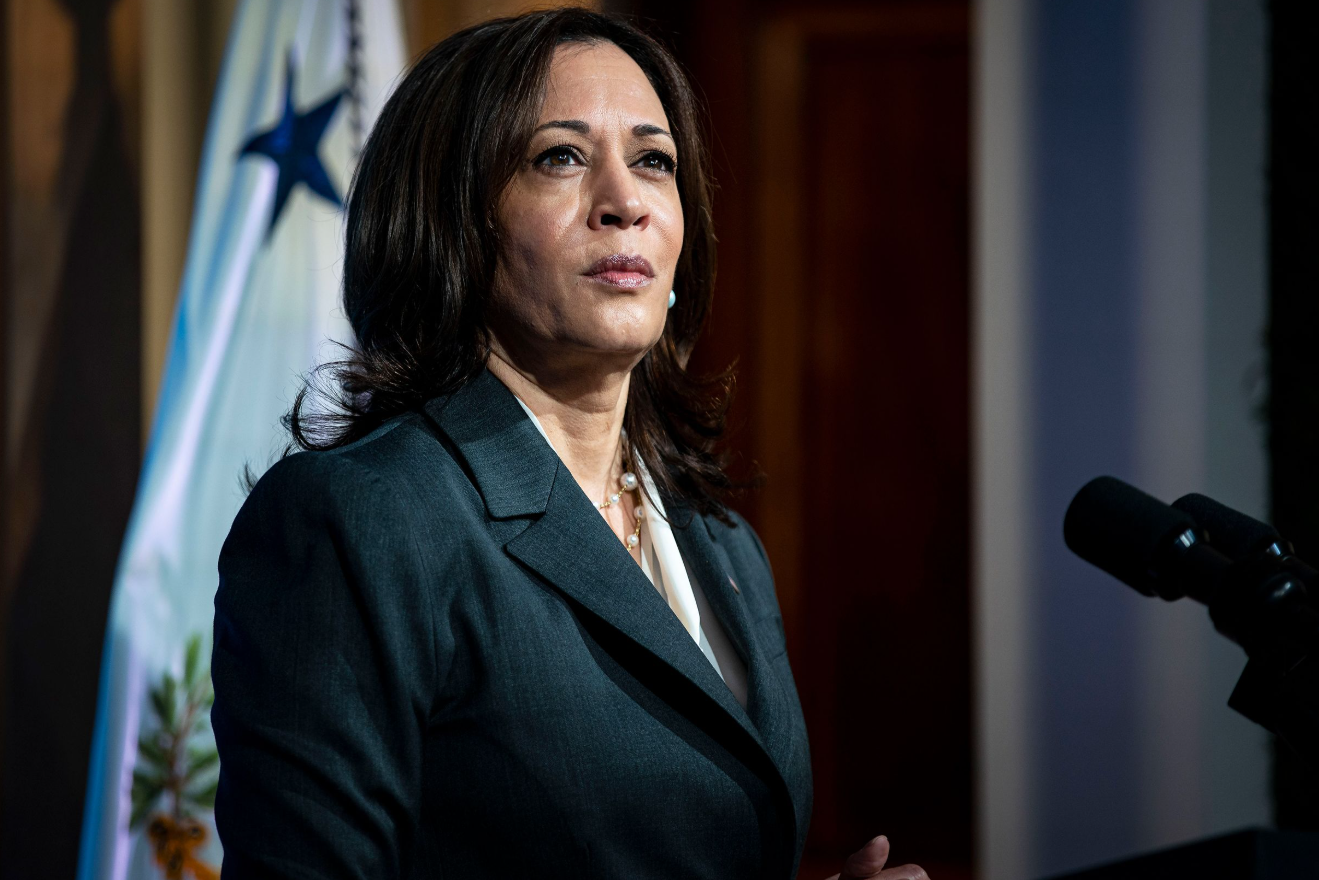
A nationwide survey conducted by Lake Research Partners found former Vice President Kamala Harris narrowly leading Gavin Newsom in a simulated ranked choice primary, finishing with 52 percent to Newsom’s 48 percent after multiple rounds of vote redistribution. The result falls within the poll’s margin of error, leaving the contest effectively tied.
The survey, conducted online from May 6 through May 11 among 800 likely Democratic primary voters nationwide, used a ranked choice format that asked respondents to rank up to five candidates from a field of 13 potential contenders. Researchers then modeled how support would shift as lower-performing candidates were eliminated.
While Harris and Newsom ultimately rose to the top of the simulated contest, the initial results reflected a more fragmented Democratic electorate. Harris captured 26 percent of first-choice support, while Newsom received 17 percent, meaning a majority of respondents initially preferred someone else.
Both candidates benefited from broad appeal across the wider field. Roughly 80 percent of respondents included either Harris or Newsom somewhere in their top five choices, allowing each to accumulate support across later rounds. The results suggest that in a ranked choice environment, broad acceptability across factions may prove more valuable than commanding a loyal first-choice base.
Patterns in second and later preferences also revealed ideological coalitions taking shape. Voters who backed progressive figures such as Alexandria Ocasio-Cortez were more likely to list Harris as an alternate choice, while supporters aligned with more establishment-oriented candidates, including Pete Buttigieg, tended to shift toward Newsom.
Harris, Newsom and Buttigieg each appeared in the top five rankings of at least 55 percent of respondents. A second tier of contenders, including Mark Kelly, Ocasio-Cortez and Josh Shapiro, were included by roughly one-third of voters.
The survey also found growing support for ranked choice voting itself. Initial support stood at 63 percent and rose to 70 percent after respondents completed the ballot exercise, suggesting greater openness among Democratic voters after experiencing the format firsthand.
Other recent polling using traditional methods paints a similarly unsettled picture, though with varying degrees of concentration at the top. An April survey from Echelon Insights showed Harris at 22 percent and Newsom at 21 percent, followed by Buttigieg at 12 percent and Ocasio-Cortez at 10 percent, with a notable share of voters undecided. Meanwhile, a separate Harvard/Harris poll found Harris holding a larger lead, with Newsom and other contenders trailing behind.
Differences in methodology and candidate lists make direct comparisons difficult. Still, taken together, the available data suggests Democrats remain in an early stage of recalibration following the party’s 2024 defeat, with no consensus standard-bearer yet emerging.
No major Democratic candidate has formally entered the 2028 presidential race. But as leading figures continue building national profiles, early polling points to a contest shaped less by dominant frontrunners and more by coalition-building across a broad and still-fluid field.