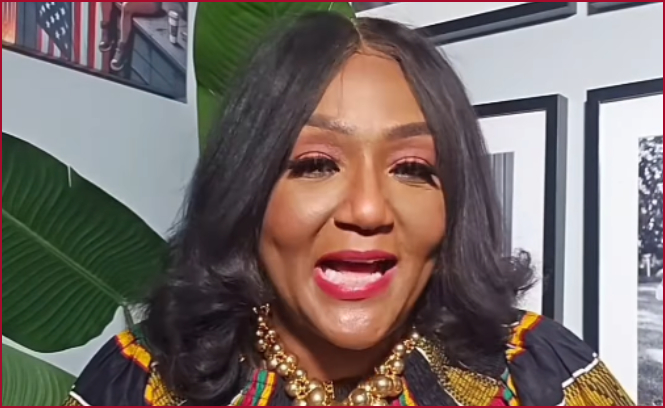
Activist and commentator Nikki Free is arguing that to achieve meaningful change in America, citizens have to consider economic pressure.
The vociferous civil rights activist notes that historically, change has come through financial pressure rather than patience.
In a post published on Instagram under the handle @iamnikkifree, Free challenged calls for gradual reform, asserting that American political systems respond primarily to economic disruption.
“They tell us to be patient. But this system only responds to money,” she wrote, adding that corporate interests and profit motives dominate the country’s political decision-making.
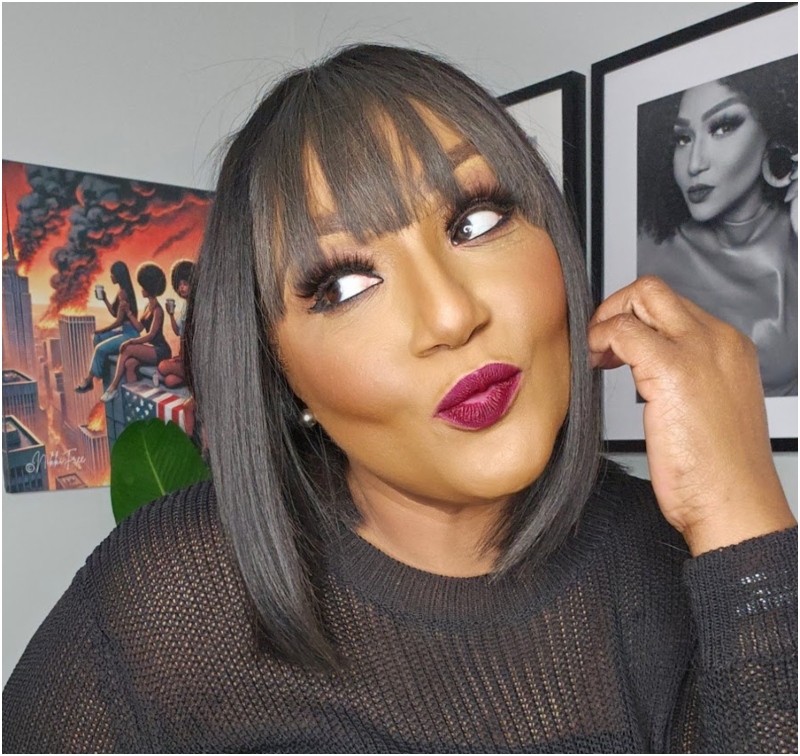
The post was accompanied by a video in which Free expanded on the theme, claiming that corporations and lobbyists exert disproportionate influence over Congress while ordinary Americans continue working and spending despite stagnant wages, rising healthcare costs, and the erosion of rights.
“This country is not run by morality,” Free said in the video. “It’s run by profit. Corporations own Congress, lobbyists write laws, and billionaires bankroll politicians.”
Call for Collective Economic Action
Free’s remarks stressed collective economic disruption—including strikes and boycotts—as tools historically used to force political change. She cited the U.S. civil rights movement, labor movements, and women’s rights activism as examples where financial pressure, rather than appeals for patience, played a decisive role.
“The civil rights movement didn’t just march,” she said. “It boycotted. It shut down buses. It hit wallets.”
Free argued that ongoing participation in the economy—through labor and consumer spending—allows existing power structures to remain intact. According to her message, withholding that participation would force institutions to respond.
“A general strike isn’t chaos,” she said. “It’s leverage. If the money stops flowing, power listens.”
Resonating Amid Economic and Political Strain
The message arrives amid broader national conversations about executive overreach, abuse of federal power, and other allegations under the current Trump administration.
While Free’s comments stop short of outlining specific actions, her view aligns with a long tradition of economic protest as a method of political engagement—one that remains controversial among policymakers and business leaders.
Her closing line, echoed both in text and video, summed up the argument succinctly: “Patience built this mess. Pressure is how we fix it.” Click here to watch Nikki Free’s full delivery.