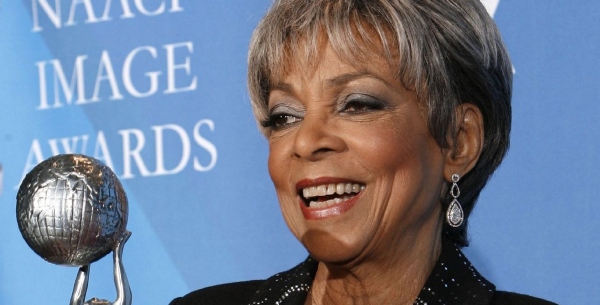
As Black History Month winds down, the life and legacy of Ruby Dee are being highlighted as an example of how artistry and activism can intersect to drive social change.
Best known to many audiences for her role in A Raisin in the Sun, Dee built a career that extended far beyond the stage and screen. Alongside her husband, Ossie Davis, she was deeply involved in the U.S. Civil Rights Movement, participating in marches, organizing efforts, and public advocacy at a time when such actions carried personal and professional risks.
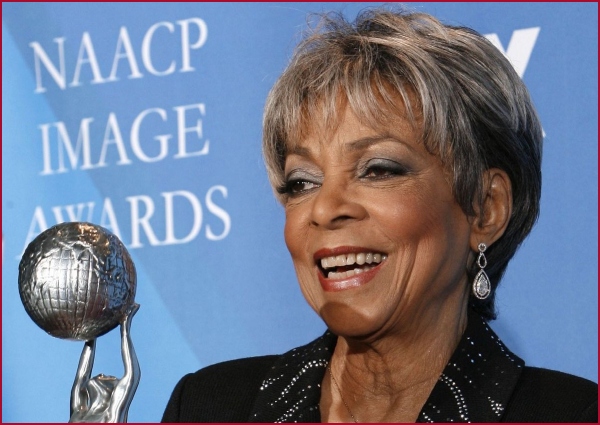
Historical records show the couple were monitored by the Federal Bureau of Investigation because of their outspoken activism. Their commitment placed them among prominent cultural figures who used their public platforms to push for racial equality.
Dee also played key roles in preserving Black political and cultural history. She delivered the eulogy at the funeral of Malcolm X, publicly supported activist Angela Davis, and worked to keep alive the legacy of Paul Robeson during periods when his name was marginalized due to political pressures.
Born in 1922, Dee graduated from Hunter College at age 19 with a degree in Romance languages, reflecting what colleagues described as her lifelong discipline and intellectual rigor.
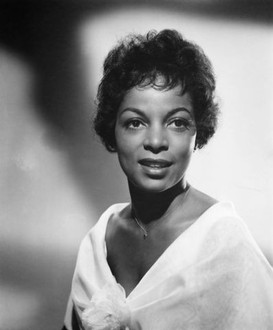
Her career spanned more than seven decades, culminating in an Academy Award nomination at age 83 for her performance in American Gangster. The recognition underscored her enduring influence in American film and theatre.
Historians and cultural commentators say Dee’s legacy lies not only in her performances but also in her unwavering belief that creative expression and social justice are inseparable.
Ruby Dee died in 2014, aged 91.