
Futurist and tech entrepreneur Sinéad Bovell is urging professionals to rethink how they define their careers, arguing that the traditional model of climbing corporate ladders is rapidly giving way to a world dominated by independent work and entrepreneurship.
In a recent Instagram post and video, Bovell told her followers to stop identifying themselves by their current job title and instead think of themselves as “mini organizations” offering a bundle of adaptable skills across industries and projects.
“The idea that we learn, we work, we retire, and move vertically up career ladders is going away,” Bovell explained. “Entrepreneurship and independent work is gonna become the dominant form of the workforce. We have to start thinking of ourselves as many organizations that can apply skills across companies and projects.”
A Shift in Workforce Dynamics
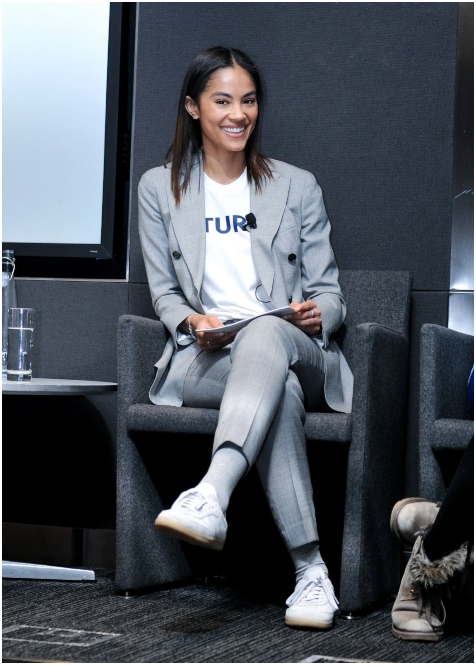
Bovell, who has spoken with NPR and writes frequently on her Substack about the intersection of technology and work, highlighted the far-reaching implications of this shift — from how society structures healthcare and retirement benefits to how companies recruit talent.
She argued that preparing for the uncertain job landscape of tomorrow doesn’t mean predicting specific roles, but rather cultivating timeless skills that can weather technological disruption.
According to Bovell, five skills stand out as non-negotiable for the future:
- Critical thinking
- Fast learning
- Strong communication
- Sound judgment
- Adaptability to change
These, she said, form a “fierce toolkit” that can help professionals thrive regardless of how quickly technology evolves.
The Future of Work, Reimagined
Bovell’s message underscores a broader trend already visible in the labor market: the rise of freelancing, contract work, and small-scale entrepreneurship.
As she noted, this isn’t just a career adjustment but a mindset shift — moving from viewing oneself as an employee to seeing oneself as an organization capable of contributing flexibly across multiple ventures.
Her commentary adds to ongoing debates about the gig economy, the erosion of traditional employment benefits, and the future of workplace security in an era defined by artificial intelligence and automation.
“The future of work equals independent,” Bovell concluded. “And the sooner we think of ourselves as organizations with skills to offer, the more ready we’ll be.”


