
After a six-year legal battle with Harvard University, a South Carolina woman has secured ownership of what are believed to be the earliest known photographs of enslaved people in the United States.
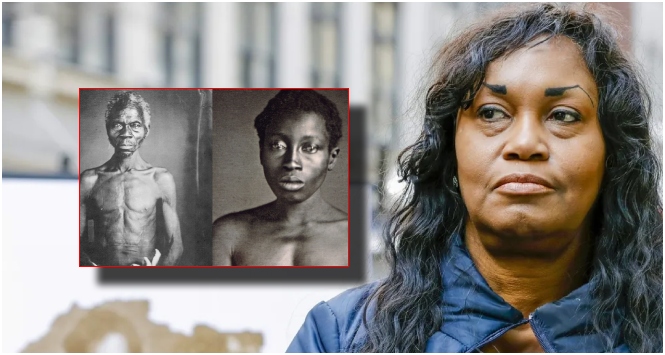
Tamara Lanier, who says she is a direct descendant of the individuals depicted, fought the university in court over two 1850 daguerreotypes showing an enslaved man, Renty Taylor, and his daughter, Delia Taylor.
The images were originally commissioned by Swiss-born Harvard scientist Louis Agassiz and photographed by Joseph T. Zealy in Columbia, South Carolina. They were created as part of a project intended to support racist pseudoscientific theories claiming Black people were inferior.
Historic Photographs Returned
Under a legal settlement reached in 2025, Harvard agreed to relinquish ownership of the photographs. The images have now been transferred to the International African American Museum in Charleston, South Carolina, returning them to the state where the individuals were enslaved and photographed.
Museum officials said the daguerreotypes are believed to be the earliest surviving photographs of enslaved people in the United States.
“More than 175 years after they were created in South Carolina, the 1850 daguerreotypes have returned to the state where the individuals depicted were enslaved and forcibly photographed,” the museum said in a statement.
A Long Legal Fight
Lanier filed suit against Harvard, arguing the university wrongfully claimed ownership of the images even though the photographs were taken without the consent of her ancestors.
For decades, Harvard held the images in its collections and reproduced them in academic publications and teaching materials.
Lanier’s legal team contended that the photographs were created through coercion and exploitation tied to slavery and, therefore, should belong to the descendants of the people depicted.
The settlement ended a legal dispute that drew national attention and fueled broader discussions about the legacy of slavery in American universities.
From Pseudoscience to Historical Memory
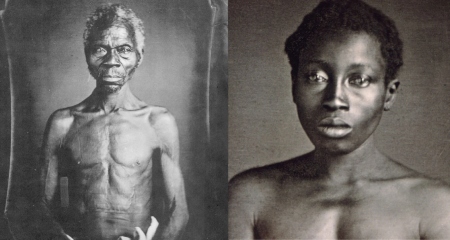
Agassiz, a prominent 19th-century biologist, commissioned the photographs to support the theory of polygenism, a racist belief that different races originated from separate creations and were inherently unequal.
The photographs were taken while Renty and Delia were enslaved and forced to pose for the images.
Officials at the International African American Museum said the photographs will now be reframed as historical artifacts honoring the lives and humanity of those depicted.
“Today, these images are being transformed from instruments of pseudoscience into portraits of remembrance and historical truth,” the museum said.
Broader Impact
The case has become part of a larger national conversation about how universities and cultural institutions handle artifacts linked to slavery and colonial exploitation.
For Lanier, the outcome represents both a personal and historical victory.
After more than a century and a half, the images of her ancestors have finally been returned to the place where their story began—this time under the stewardship of an institution dedicated to preserving and telling their history.

