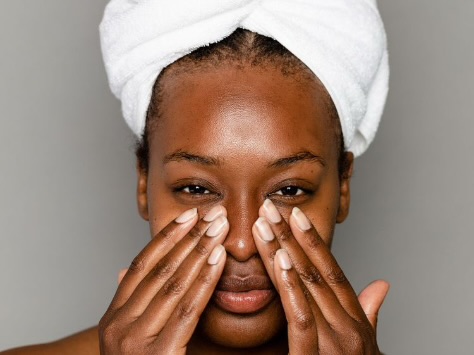
For many people with darker skin tones, discoloration can be one of the most frustrating skincare concerns to manage. Dark spots, uneven patches, and post-inflammatory hyperpigmentation often linger long after acne breakouts, irritation, or skin injuries have healed. While hyperpigmentation can affect all skin tones, melanin-rich skin is especially prone to developing noticeable discoloration because of how pigment-producing cells respond to inflammation.
The good news is that hyperpigmentation can often be improved safely with consistency, patience, and the right skincare approach. Experts say one of the biggest mistakes people make is using harsh treatments that damage the skin barrier in an attempt to fade spots quickly. Aggressive exfoliation or bleaching products can sometimes worsen discoloration, particularly on deeper complexions.
Instead, gentle ingredients that support gradual brightening are often the safest route. Niacinamide, azelaic acid, vitamin C, and tranexamic acid have become popular choices because they help target uneven pigmentation without stripping the skin. Chemical exfoliants like lactic acid or mandelic acid are also commonly recommended for darker skin tones since they tend to work more gently than stronger acids.
Sun protection remains one of the most important parts of treating hyperpigmentation, even for people with melanin-rich skin. Many still believe darker skin does not require sunscreen, but UV exposure can deepen existing dark spots and slow the healing process. Daily sunscreen use helps prevent discoloration from becoming more stubborn over time.
Another important factor is avoiding irritation whenever possible. Picking at acne, overusing scrubs, or applying too many active ingredients at once can trigger additional inflammation and lead to more pigmentation. Dermatologists often recommend introducing products slowly and focusing on maintaining a healthy skin barrier through hydration and gentle cleansing.
For more severe discoloration, professional treatments like chemical peels, microneedling, or laser procedures may help when performed by specialists experienced in treating darker skin tones. Choosing the wrong treatment or provider can increase the risk of burns or worsening pigmentation, making expertise especially important.
The growing conversation around skincare for deeper complexions has also helped challenge outdated beauty standards surrounding perfectly even skin. Many people are now approaching hyperpigmentation with more realistic expectations and healthier skincare habits rather than chasing overnight results.
Treating discoloration on dark skin takes time, but with patience and proper care, healthier and more balanced-looking skin is possible without compromising its natural beauty.