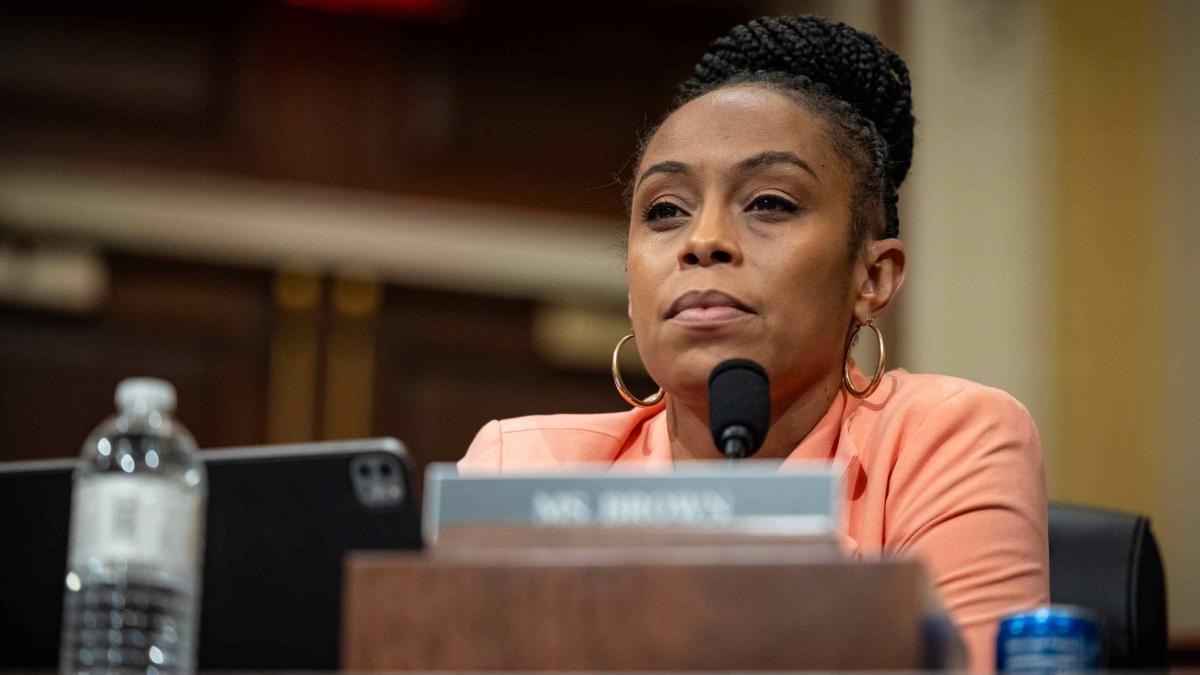
U.S. Congresswoman Shontel Brown is warning that a new Republican-backed bill could undo more than 50 years of environmental protections.
She is accusing its sponsors of trying to “make pollution great again” by weakening the landmark Clean Water Act.
In a video posted on Instagram, Brown sharply criticized the proposed Permit Act, a GOP-led measure designed to roll back regulations governing industrial discharges into America’s rivers, lakes, and wetlands.
According to Brown, the bill would “run the Clean Water Act through a shredder” and open the door for large companies to pollute more easily.

A Historic Warning Rooted in Ohio’s Past
Brown’s message draws heavily on the environmental history of her home district in Cleveland—one shaped by the infamous 1969 Cuyahoga River fire, when industrial waste floating on the river’s surface ignited, shocking the nation and forcing a political reckoning.
She reminded viewers that the river “was so polluted that it caught on fire,” with the blaze becoming a symbol of unchecked industrial contamination. The incident helped fuel national demands for stronger regulations, ultimately contributing to the passage of the Clean Water Act of 1972.
Brown noted that the legislation passed with support from one of her predecessors, the late Congressman Louis Stokes, who helped advance federal protections after the Cuyahoga disaster underscored the consequences of neglect.
Brown: The New Bill Puts Working Families at Risk
The congresswoman argues the effects of loosening water protections won’t fall on wealthy beachfront communities or high-profile resorts. Instead, she says, “we all know where it will end up — in the rivers and lakes where working people live.”
Brown pointed out the far-reaching damage of increased pollution:
- Public health concerns, including exposure to toxic chemicals and pathogens
- Risks to outdoor recreation, harming local economies
- Tougher conditions for small businesses tied to tourism, fishing, and water sports
“Water pollution is bad for public health, bad for public recreation, and bad for business,” she said, calling the bill irresponsible and dangerous.
Political Lines Drawn Ahead of 2025 Environmental Fights
The Permit Act is poised to become a flashpoint in early 2025 as Congress debates the future of federal oversight on water quality. Republicans argue that current regulations slow down economic growth and burden companies with costly compliance requirements. D
emocrats, environmental groups, and public health advocates counter that the Clean Water Act remains essential to preventing a return to the days when rivers routinely carried sludge, oil, and industrial waste.
Brown’s message signals that Democrats plan to frame the debate as a choice between safeguarding public health and giving industries freer rein, with real-world consequences for everyday Americans.
A Direct “No” Vote
Brown ended her statement unequivocally: she will vote against the bill and believes Republicans “should be ashamed of themselves” for advancing it.
As Congress returns to Washington amid a shifting political landscape, the battle over the Clean Water Act is shaping up as a test of how far lawmakers are willing to go in reinterpreting the country’s foundational environmental protections.