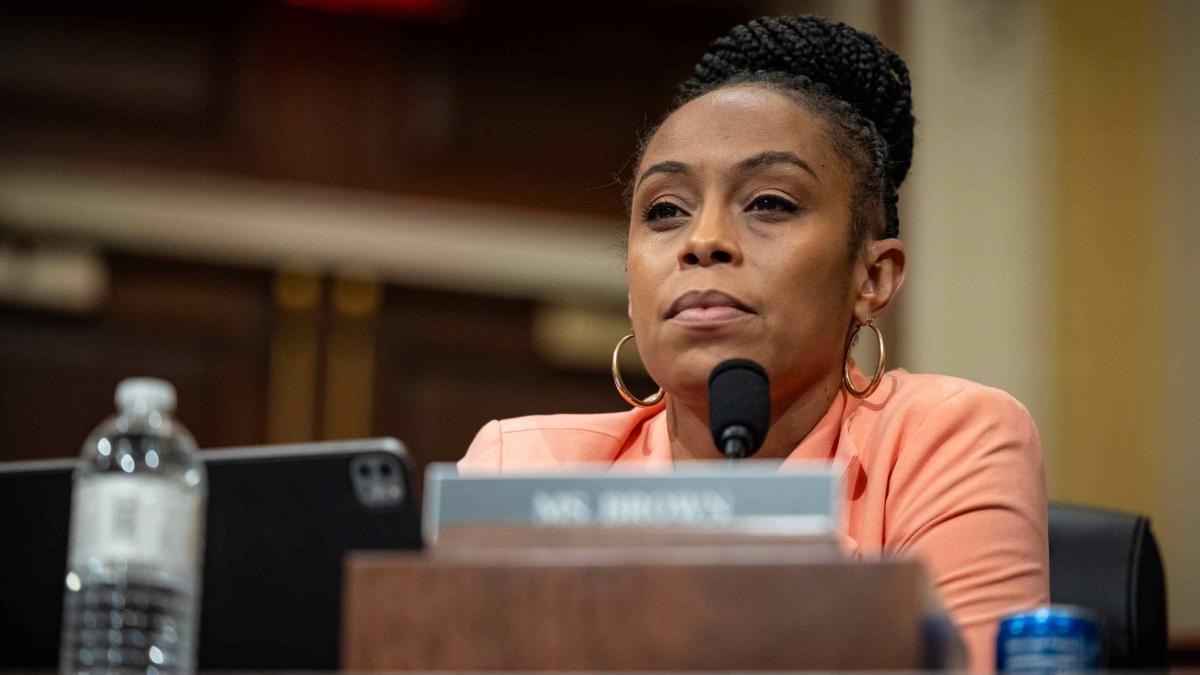
Congresswoman Shontel Brown (D-OH) is pushing back against the federal government’s decision to sell the Anthony J. Celebrezze Federal Building, raising concerns over transparency, cost, and potential harm to Cleveland’s economy.
In a letter sent to the General Services Administration (GSA), Brown questioned why the building was selected for “accelerated disposition” and demanded documents justifying the sale. The move, she argues, could negatively impact local federal workers, constituent services, and downtown Cleveland’s economy.
“The Trump Administration’s plan to sell the Celebrezze building is a bad deal for Cleveland—bad for constituent services, bad for our local economy, and bad for federal workers,” Brown said. “On top of that, I have serious concerns this plan will end up costing taxpayers, especially since Trump is demanding the sale on a shortened three-year timeline.”
The GSA has claimed that selling the building and leasing new office space elsewhere would result in a $149 million cost advantage. Brown, however, isn’t convinced.
“If their numbers are truly solid, they should have no problem releasing them,” she wrote. “Clevelanders and federal taxpayers deserve nothing less than complete transparency and adherence to federal processes that protect their interests.”
Brown has formally requested a range of documents from the GSA, including a 30-year cost comparison analysis, the building’s most recent appraisal, records of tenant relocation plans, and communications with potential buyers. She is also seeking details about compliance with federal property disposition laws, including whether the building was screened for possible public benefit use, such as aiding the homeless.
The Celebrezze building, located on East 9th Street in downtown Cleveland, has stood since the 1960s and houses thousands of federal employees across agencies like the IRS, Veterans Benefits Administration, and Defense Finance and Accounting Service. Despite a $120 million facade renovation in 2016, the building reportedly needs millions more in repairs, including water pipe replacements—raising questions about its market appeal.
Brown’s demands underscore a broader concern: that Cleveland’s needs are being sidelined in a rush to offload valuable public assets.