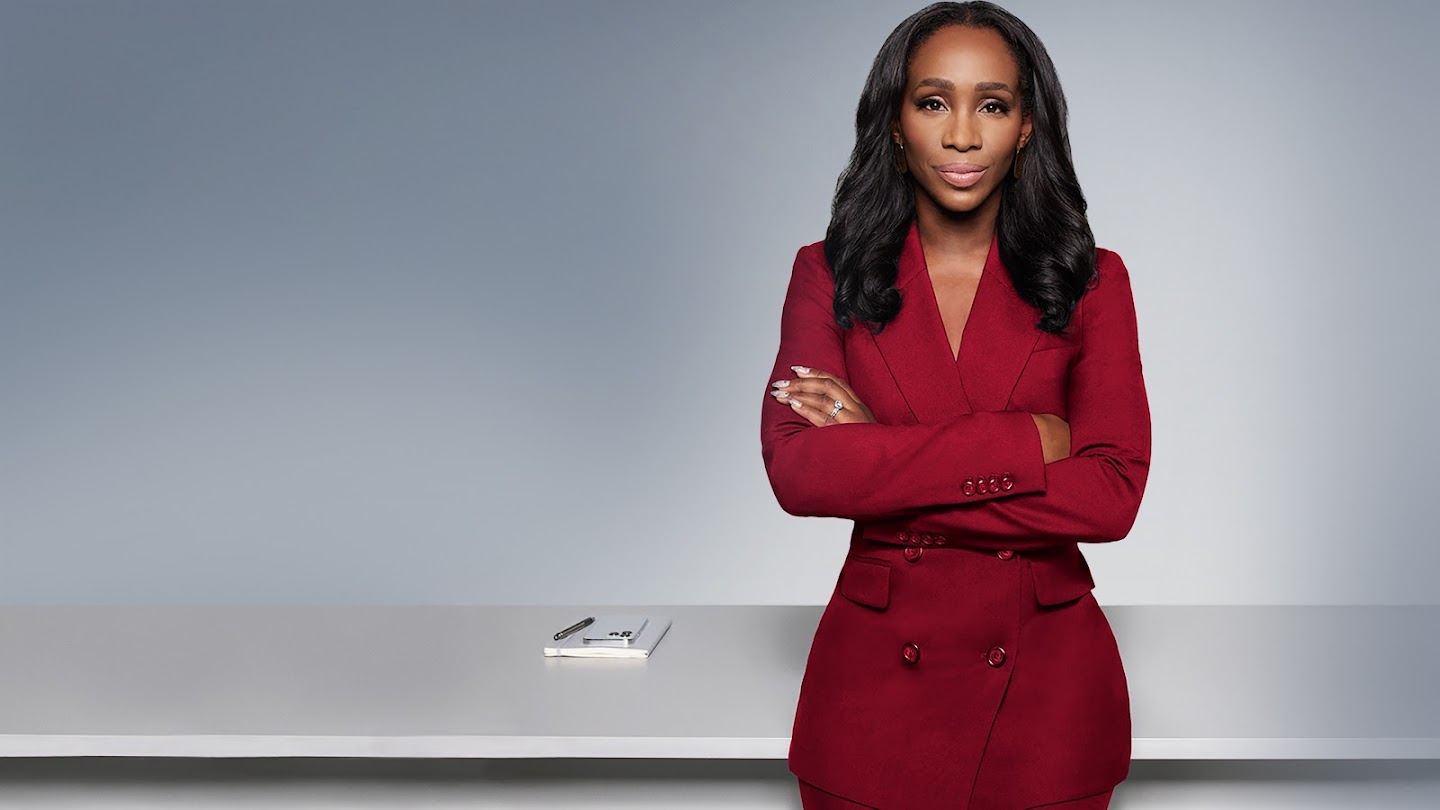
CNN anchor Abby Phillip pushed back sharply against claims that certain cultures are “not compatible” with the United States during a tense exchange on CNN’s Saturday Morning Table for Five, reigniting debate over immigration, vetting, and cultural generalizations.
The confrontation occurred as the panel discussed former President Donald Trump’s immigration crackdown and his recent remarks about limiting immigration from what he described as “filthy, dirty, disgusting” countries with high crime rates, including Somalia. New York Post correspondent Lydia Moynihan argued that the U.S. should restrict entry from cultures she claimed do not align with American values.
“Certain cultures are not compatible with the United States,” Moynihan said.
Phillip repeatedly pressed her to clarify what she meant. “Which ones?” Phillip asked, several times.

Moynihan cited examples from Europe, referencing a legal case involving an Afghan immigrant and arguing that crimes such as rape and practices like female genital mutilation raise legitimate concerns.
“There is a real question that people on the right have about certain cultures,” she said.
Phillip challenged the framing, noting that the term “culture” is vague and often leads to sweeping generalizations.
“What are the cultures?” Phillip asked. “Is it Afghanistan? Is it Africans? What is it?”
When Moynihan pointed to cultures that tolerate violence against women, Phillip raised the question of refugees fleeing those very practices.
“What about the people fleeing female genital mutilation?” Phillip asked. “If you are Somali and you’re a woman and you’re trying to leave—are you not allowed in because culturally not compatible with this country? How does that make sense?”
Moynihan responded that “vetting matters,” arguing that harmful practices can be brought into host countries if screening is insufficient.
Rep. Jared Moskowitz (D-FL), also on the panel, drew a historical parallel, recalling how his grandparents fled Nazi Germany and Poland during the Holocaust. He referenced the 1939 incident in which the MS St. Louis, carrying Jewish refugees, was turned away from the United States.
“Jewish culture was determined at that moment as non-compatible,” Moskowitz said. “That was not okay then, and it’s not okay now.”
While Moynihan maintained that vetting is essential, Moskowitz rejected the broader implication that cultural identity alone should determine who is allowed into the country.
The exchange underscored ongoing tensions in the national immigration debate, particularly over how the U.S. balances border security, humanitarian obligations, and the risks of defining immigration policy around broad cultural judgments rather than individual circumstances.