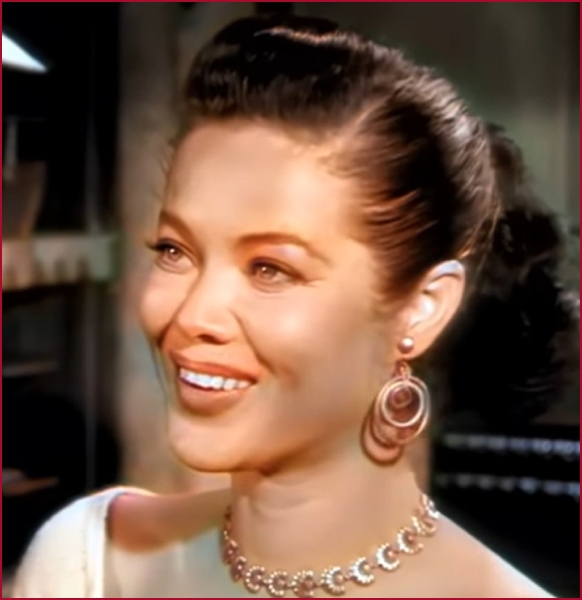
New attention is being drawn to the life of Golden Age Hollywood performer Dona Drake, whose career illustrates how systemic racism in the film industry forced some Black actors to conceal their identities to work.
Historians and film scholars say Drake, a singer, dancer, and actress active in the 1930s–1950s, was born to an African American father and a mother of mixed European ancestry.
However, Hollywood studios rebranded her publicly as being of “exotic” or Latin origin — sometimes promoting her as Mexican — to avoid the racial barriers that prevented openly Black actresses from landing prominent roles.
Survival Strategy in Segregated Hollywood
During the era, racial segregation extended deeply into entertainment. Industry records show that many studios systematically excluded Black women from leading parts, often confining them to domestic or stereotypical roles.
As a result, Drake — whose birth name was Eunice Westmoreland — adopted a constructed identity and even learned Spanish to strengthen her marketability in “ethnic” roles that were deemed acceptable by studio executives.
Film historians note this was not unusual at the time. Several performers of mixed heritage were pressured to obscure their backgrounds because openly Black actors faced limited casting opportunities and discriminatory contracts.
Career Despite Barriers
Despite these constraints, Drake built a notable career spanning more than two decades. She appeared in films such as:
She also worked as a bandleader and performer before transitioning into acting — a rare accomplishment for women of color in early Hollywood.
Experts say Drake’s longevity in the industry stands out because many actresses faced strict employment restrictions, including age limits, marriage bans, and racial exclusion.
A Broader Pattern of Erasure
Researchers emphasize that Drake’s story reflects a broader pattern in early American cinema: rather than merely typecasting Black women, studios often erased their identities entirely.
Scholars argue this phenomenon — sometimes referred to as “racial passing” in entertainment — was less about personal choice and more about survival in a segregated system.
Today, historians say revisiting Drake’s life helps illuminate how structural discrimination shaped Hollywood’s history and why representation battles continue in modern film.