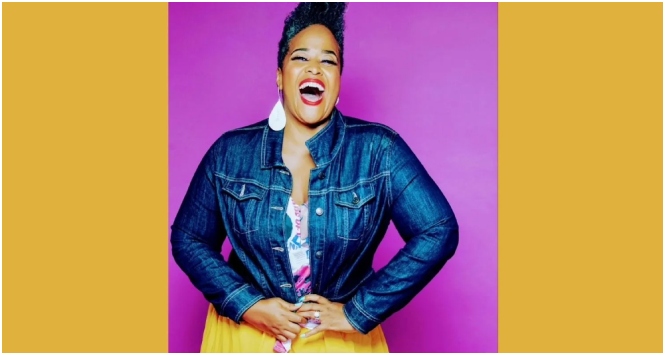
For some women, being called “auntie” feels like a crown. For others, it’s a title they’d rather not wear. Social media personality and commentator Kendra Lendsey (@kendra_lendsey)—known online as Yo Fly Auntie—is sparking a conversation about respect, language, and generational culture.
In a recent Instagram post, Lendsey broke down the layered meaning of the word “auntie,” reflecting on how she embraced the moniker after young people in her community began using it for her. Instead of rejecting it, she flipped the label, proudly claiming Yo Fly Auntie as part of her online identity.
“Where I’m from, ‘auntie’ has always been about respect and connection,” Lendsey explained. “But language is layered, and not everybody receives it the same way. That’s why I say: just ask. What do you want to be called? Auntie, Ms., your first name—or none of the above? It’s not extra, it’s respect.”
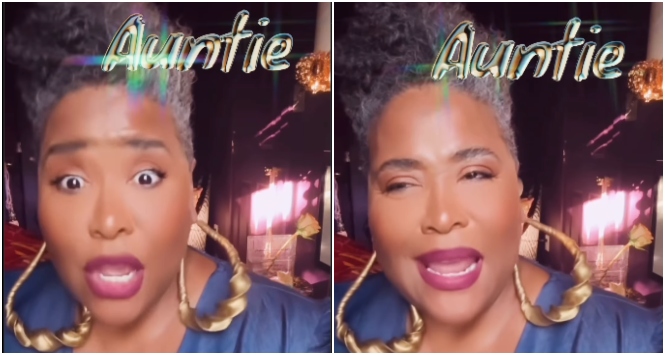
Her video post also referenced a recent discussion between actress Taraji P. Henson and radio host Angie Martinez, where the two women admitted to having mixed feelings about the term.
For Henson, it wasn’t offensive; for Martinez, it wasn’t a nickname she embraced—but both agreed it wasn’t worth confrontation.
For Lendsey, the takeaway is simple: context matters.
She grew up in the South where calling elders auntie or uncle was commonplace, even for non-relatives. But she acknowledges that not everyone views the title the same way. In her words, it’s not just what people call you, but also what you answer to.
Her message drums home a broader point about language and identity: respect begins with asking, not assuming.