
Major General Lorna M. Mahlock has made history after being confirmed as the first Black woman to reach the rank of lieutenant general in the history of the United States Marine Corps.
Born in Kingston, Jamaica, Mahlock enlisted in the Marines at age 17 and has spent decades rising through the ranks, building a career that spans operational leadership, technology management, and strategic planning.
Her latest promotion coincides with her role as Deputy Commander of U.S. Cyber Command, placing her among the highest-ranking women in the U.S. military.

Career marked by trailblazing milestones
Mahlock began her military career as an air traffic controller before transitioning into leadership positions focused on operations and communications.
Earlier in her career, she was nominated in 2018 to become a brigadier general, at the time making history as the first Black woman to serve as a general officer in the Marine Corps.
In that role at Marine Corps headquarters in Washington, she oversaw hundreds of personnel and managed tens of millions of dollars in communications and satellite equipment across multiple countries.
Breaking barriers in a male-dominated branch
The Marine Corps historically has had the lowest proportion of female service members among U.S. military branches, with women comprising roughly 8 percent of its ranks.
Mahlock’s advancement comes amid broader efforts to expand opportunities for women in the armed forces, including a 2015 Pentagon policy that opened all combat roles to female service members.
Her rise through the ranks has been widely viewed as a milestone in increasing diversity and representation within military leadership.
A symbol of progress
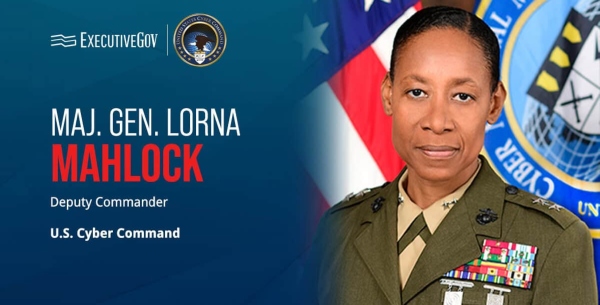
Mahlock has spoken publicly about the importance of perseverance and representation, expressing optimism about the evolving role of women in the Corps.
Her journey — from a teenage recruit to one of the highest-ranking officers in the Marine Corps — is seen by supporters as a powerful example of determination and leadership.
Military analysts say her promotion reflects both individual achievement and broader institutional change within the armed forces.