Pulitzer Prize-winning journalist Nikole Hannah-Jones says debates over who qualifies as an American today mirror historical ideas held by some of the United States’ earliest leaders.
During an appearance on the political commentary program Clock It with Symone and Eugene, Hannah-Jones argued that the way Donald Trump and his allies frame American identity aligns with how the nation’s founders historically defined citizenship.
“The official white founders would not be in disagreement with Donald Trump and how Donald Trump is defining who Americans are,” Hannah-Jones said in the interview.
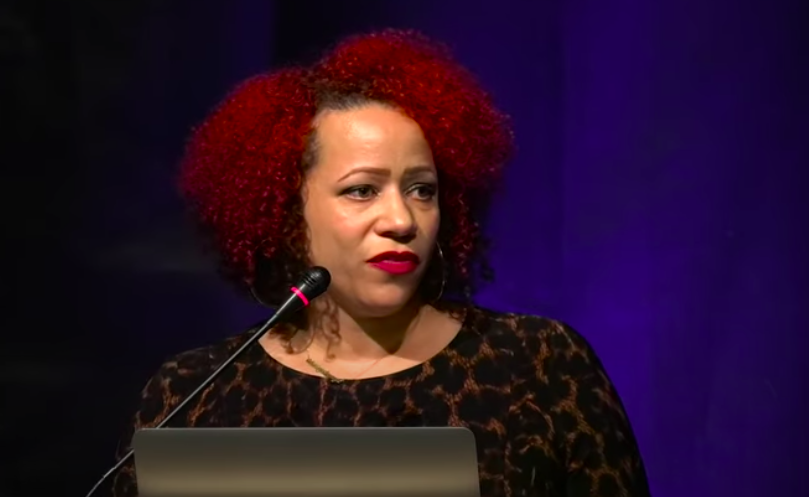
The journalist, best known as the creator of The 1619 Project, said early definitions of American citizenship largely excluded many groups, including Black Americans and Indigenous people.
“We certainly were not considered Americans or citizens. Indigenous people weren’t. People of color in general were not,” she said, noting that the concept of who counted as American was historically limited to Europeans who could be “racialized as white.”
Hannah-Jones made the remarks while discussing historical perspectives on American identity and referencing the book The Nation That Never Was by historian Kermit Roosevelt.
According to Hannah-Jones, modern interpretations of American citizenship reflect changes brought about after the country’s founding, particularly through constitutional amendments following the American Civil War.
She pointed to the Fourteenth Amendment to the United States Constitution, which established birthright citizenship, as a major turning point that reshaped the country’s definition of who qualifies as an American.
“That’s a very different America than the America of the founding,” Hannah-Jones said, adding that ongoing debates about citizenship and immigration are partly rooted in competing visions of the nation’s identity.
Hannah-Jones’ comments come amid renewed national conversations about immigration policy, birthright citizenship and the historical foundations of American democracy as the United States approaches its 250th anniversary in 2026.