The world has lost a quiet pioneer whose genius forever changed how we navigate our planet. Dr. Gladys Mae West, the African‑American mathematician whose groundbreaking work helped make the Global Positioning System (GPS) possible, died on January 17, 2026, at the age of 95, surrounded by her family.
Born Gladys Mae Brown in 1930 in rural Virginia during the era of Jim Crow, West’s rise from a segregated farm to global scientific influence is both inspirational and emotional. Despite facing racial and gender barriers, she graduated first in her high school class and earned a scholarship to Virginia State College (now Virginia State University), where she studied mathematics.
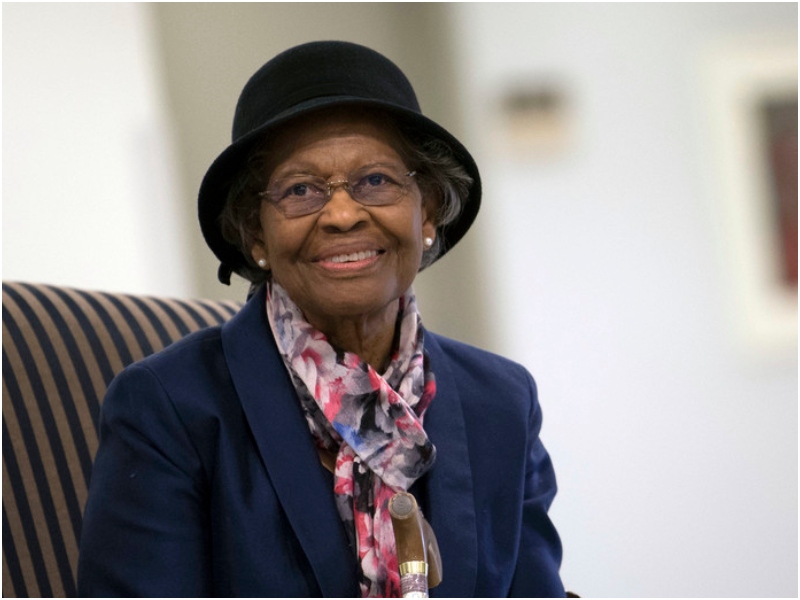
In 1956, West joined the Naval Surface Warfare Center in Dahlgren, Virginia, becoming one of the few African‑American women in her field. Over decades of dedicated work analysing satellite data and developing precise mathematical models of the Earth’s shape, she helped create the geodetic frameworks that underlie GPS technology — the system now used every day around the globe for navigation, emergency response, aviation, shipping, and countless mobile applications.

For many years, her contributions remained little known, a “hidden figure” in the history of science. But in recent years, West received overdue recognition: inductions into the U.S. Air Force Space and Missile Pioneers Hall of Fame, lifetime achievement awards, and public exhibits celebrating her work. In 2024, an interactive exhibit honoring her legacy toured multiple states, bringing her story to new audiences.
Family, colleagues, and admirers described West as brilliant, humble, and deeply devoted to her work and loved ones.
Her legacy is etched not only in the technology we rely on every day but in the inspiration she offers to young scientists — especially women of colour — who follow in her footsteps. As one tribute online put it:
“Rest in power, Dr. West… we would be lost without you.”