
Dr. Alexa Canady’s path to medical history was anything but straightforward. Once on the verge of dropping out of college, she went on to become the first Black female neurosurgeon in the United States.
With that accomplishment, she broke barriers in one of medicine’s most demanding specialties and inspiring generations to follow.
Her story starts from self-doubt and ends with surgical excellence, showing the resilience required to succeed in spaces where few people looked like her.
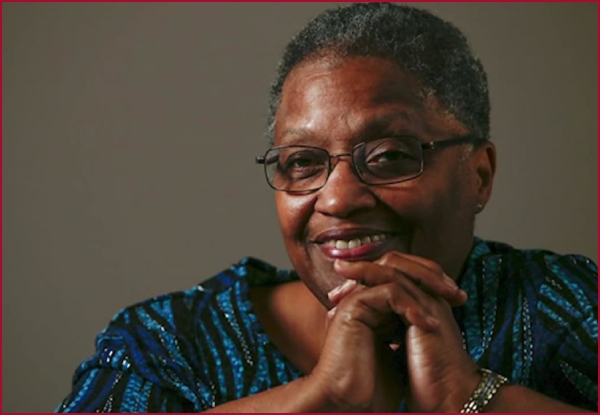
As an undergraduate, Canady nearly abandoned her studies while majoring in mathematics. She later reflected that one of the greatest challenges she faced wasn’t the technical difficulty of neurosurgery, but believing it was possible for her to succeed in the field at all.
In 1975, Canady made history again as a surgical intern at Yale–New Haven Hospital, becoming both the first Black person and the first woman admitted into the hospital’s surgical residency program.
The achievement, however, came amid open bias. She recalled an incident during her first day of residency when a senior hospital administrator referred to her as an “equal opportunity package,” a remark emblematic of the discrimination she encountered.
Despite these obstacles, Canady’s talent and dedication were undeniable. While working at the Children’s Hospital of Philadelphia, she was rated the top neurosurgery resident, a distinction that reinforced her growing reputation in pediatric neurosurgery.
Over a 20-year career, she treated thousands of patients—most of them children under the age of 10—leaving a lasting impact on families and the medical community.
Beyond clinical care, Canady also contributed to medical innovation. She holds a patent for an anti-siphon shunt device, designed to safely drain excess fluid from the brain, improving outcomes for patients with conditions such as hydrocephalus.
Today, Dr. Canady remains a vocal advocate for diversity and inclusion in medicine, encouraging young people—especially those from underrepresented backgrounds—not to let others define their worth.
“I think you have to not let other people define you,” she has said. “You have to know yourself and understand their problem versus your problem. You can’t give your sense of self-worth to somebody else.”
Canady’s story is a worthy reminder that perseverance, self-belief, and excellence can redefine what is possible.

