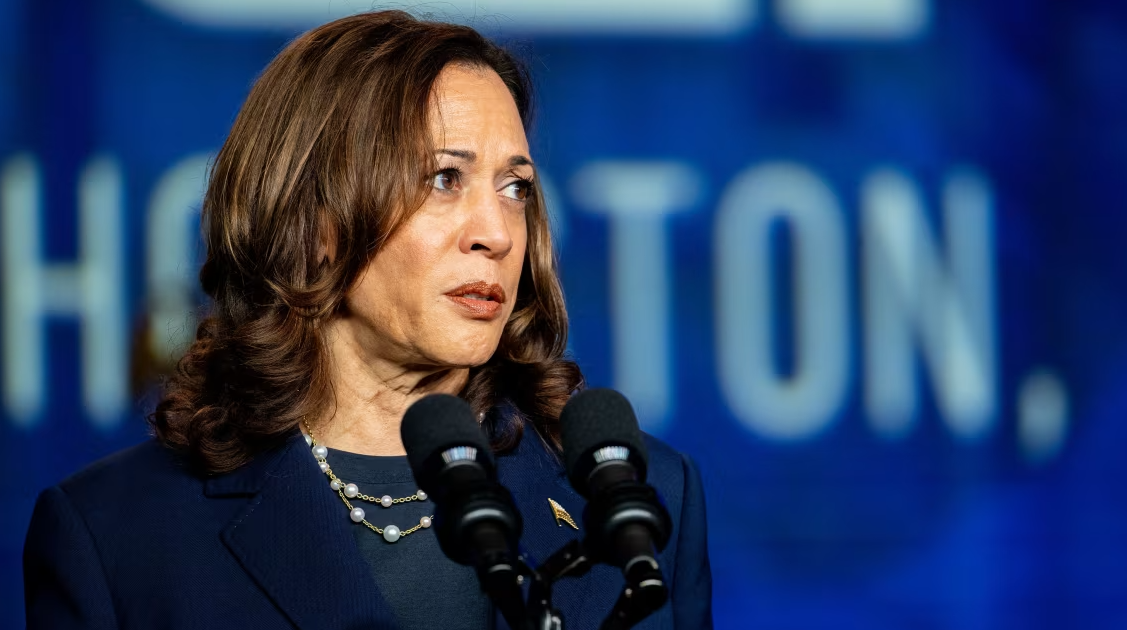
Former Vice President Kamala Harris is placing responsibility for rising fuel costs on President Donald Trump, arguing that the ongoing “war of choice” in Iran is directly driving up prices for American consumers.
In a social media post and accompanying video recorded at a gas station in Charlotte, Harris said households are already feeling the financial strain at the pump, claiming that the cost of filling a gas tank has increased significantly since the onset of the conflict.
“Here in North Carolina and around the country, gas prices are too high,” Harris stated. “This is a direct result of Donald Trump’s war of choice in Iran, and the American people are paying the price.”
Rising Fuel Costs and Economic Ripple Effects
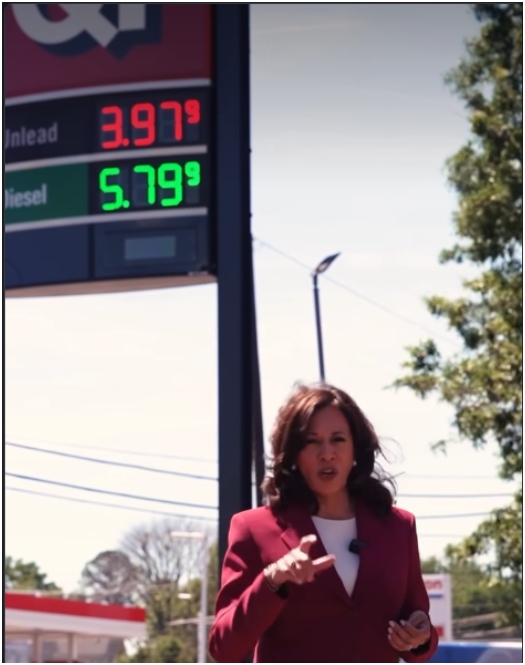
Expanding on her remarks in the video, Harris said Americans are paying approximately $15 more per fill-up compared to earlier levels. She also pointed to a sharp increase in diesel prices—claiming an 80 percent rise—which she warned would have cascading effects across the broader economy.
Diesel fuel is a key component in the transportation of goods, particularly through long-haul trucking. As costs rise, businesses often pass those increases on to consumers, contributing to higher prices for everyday goods.
“You best believe that’s going to carry over to how much you’re paying for all the goods that are being transported,” Harris said, linking fuel price increases to inflationary pressures.
Political Criticism of Trump’s Leadership
Harris also criticized Trump’s decision-making, suggesting that the conflict reflects political priorities rather than economic or public interest considerations.
“We’ve got a president who is paying more attention to what he thinks is in his best political interest and personal interest as opposed to what is in the best interest of working people in America,” she said.
Her comments mark one of the more direct attributions of domestic economic strain to foreign policy decisions tied to tensions involving Iran.
Broader Debate Over Energy and Foreign Policy
The remarks come amid ongoing debate in the United States about the relationship between geopolitical conflict and energy prices. Historically, instability in oil-producing regions has contributed to fluctuations in global oil markets, often resulting in higher fuel costs domestically.
While Harris attributes the recent increases directly to Trump’s actions, economists typically point to a combination of factors influencing fuel prices, including global supply constraints, market speculation, and geopolitical risk.
Impact on Consumers
For many American households, rising fuel prices remain a visible and immediate economic pressure point. Increased transportation costs can also drive up prices across sectors, from groceries to retail goods, amplifying concerns about affordability.
Harris’ statements are likely to intensify the ongoing political debate over responsibility for economic conditions, particularly as energy prices continue to fluctuate and remain closely tied to the war in Iran