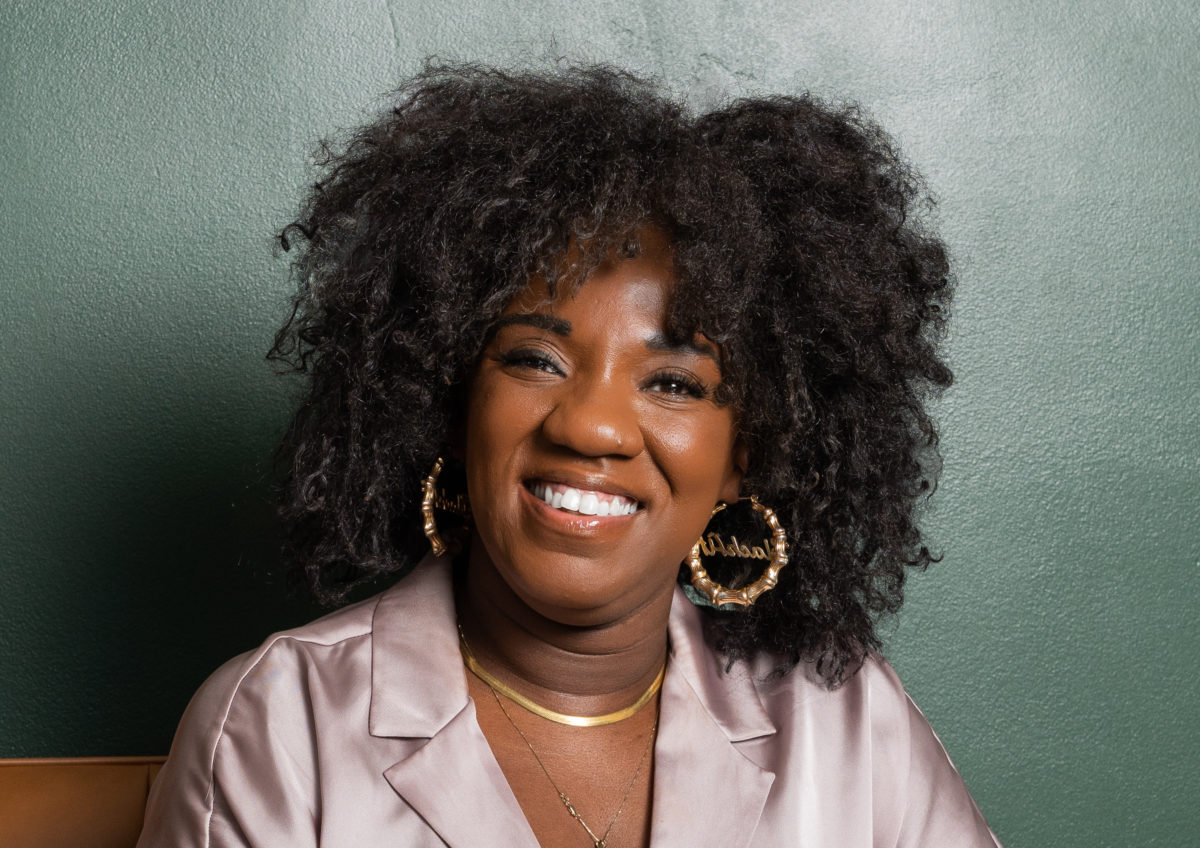
Menopause is a natural life transition, but its impact on beauty routines, especially for Black women, often goes under-discussed.
As estrogen and progesterone levels decline, changes in skin texture, hair density, and moisture retention can become more noticeable.
Understanding what’s happening internally is the first step toward adapting routines that continue to support healthy, radiant skin and hair during this phase.
One of the most common shifts Black women experience during menopause is increased dryness. Lower estrogen levels reduce the skin’s ability to retain moisture, leading to ashiness, tightness, and a compromised skin barrier. Products that once worked may suddenly feel ineffective. Dermatologists often recommend switching to richer moisturizers with ceramides, hyaluronic acid, and glycerin, along with gentle cleansers that won’t strip the skin. Sunscreen also becomes even more critical, as thinning skin is more vulnerable to hyperpigmentation and UV damage.
Hair changes can be just as significant. Many women notice thinning edges, slower growth, or increased shedding, particularly around the crown and hairline. Hormonal shifts can shorten the hair’s growth phase, making retention more difficult. For Black women, whose hair is already more prone to dryness, this can feel especially frustrating. Incorporating scalp care into your routine is key. Lightweight oils, scalp serums, and regular massages can help stimulate circulation, while protein-moisture balance becomes essential to prevent breakage.
Texture changes are also common. Hair may feel coarser, drier, or less defined than before. This is a good time to reassess styling habits and reduce heat and tension. Protective styles, low-manipulation routines, and deep conditioning treatments can help maintain strength and elasticity. Listening to your hair, rather than forcing old routines, can make a noticeable difference.
Menopause can also bring hormonal breakouts or increased sensitivity, even for those who never struggled with acne before. Simplifying skincare, avoiding harsh actives, and focusing on barrier repair can help calm inflammation. When in doubt, consulting a dermatologist who understands melanin-rich skin can be invaluable.
Ultimately, menopause doesn’t signal the end of beauty, it signals a shift. For Black women, adapting beauty routines during menopause is about care, patience, and empowerment. By responding thoughtfully to hormonal changes, it’s possible to maintain healthy hair and glowing skin while embracing this new chapter with confidence and grace.