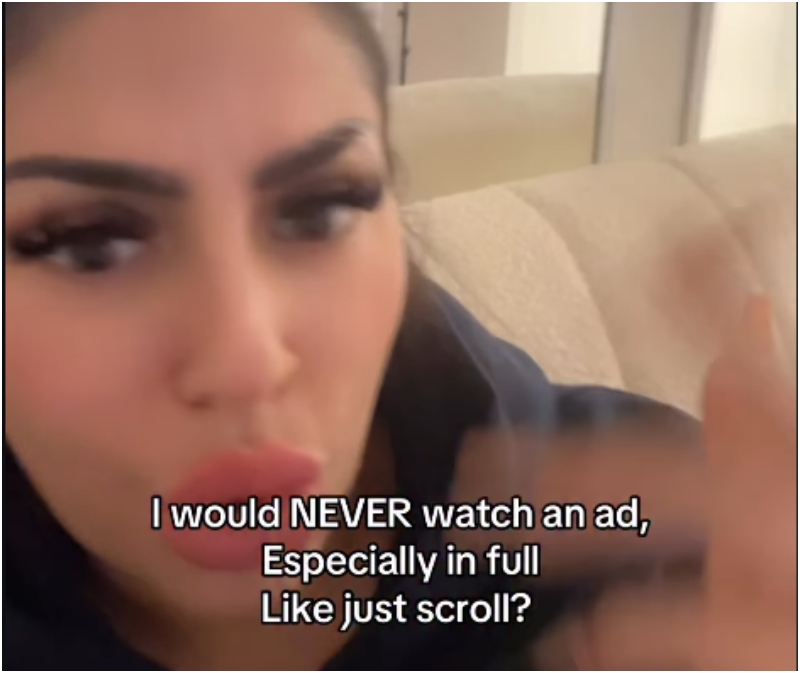
Influencer Natalia Alyssandra, who has amassed nearly 1 million followers, is stirring conversations online by challenging the idea that a large social media following automatically equals wealth.
In a recent candid statement, she claimed that many influencers exaggerate their income and lifestyle for public perception.
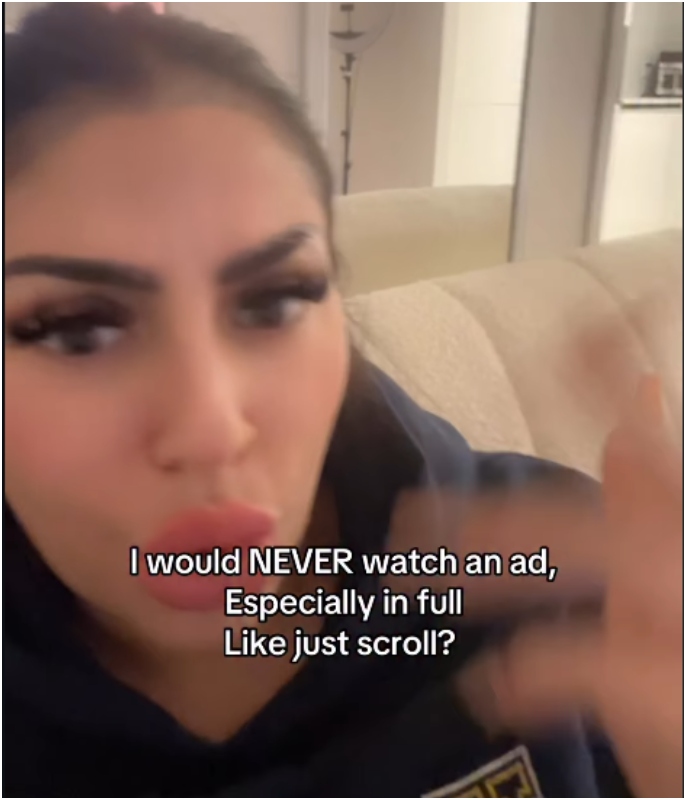
Reality vs. Perception
Speaking directly to her audience, Alyssandra admitted that despite her huge following, she still works a regular minimum-wage job to cover bills.
“I think all these influencers are lying about being rich. I’m almost at a million followers — broke, broke as f*. Well, not broke, but like I go to my regular minimum wage job every single day, five days a week. That’s how I pay all of my bills,” she said.
She revealed that in the past year she had only three brand deals, each worth around $2,000, which translates to roughly $500 extra per month — “amazing, gorgeous, I can never be happier,” she added — but acknowledged that this is far from a livable income.
Calling Out Influencer Culture
Alyssandra’s statements have reignited debates around “fake rich” culture, the transparency of brand deals, and the economics of social media influencing. She suggested that some influencers misrepresent their earnings either to sell online courses, enhance their public image, or attract more followers.
“I’m up here now with everybody else — I’m telling you that there is nothing up here,” she said, pointing out that the gap between perception and reality in influencer culture.
Public Reaction and Industry Implications
The revelation has sparked widespread discussion online, with many followers expressing appreciation for her honesty, while others questioned how common this reality is among influencers with large followings.
Analysts point out that social media fame does not guarantee financial stability, and Alyssandra’s experience highlights the precarious economics behind the influencer industry.
Her transparency is contributing to a broader conversation about authenticity, financial literacy, and the pressures of social media, reminding audiences that online appearances often mask the real financial struggles creators face.