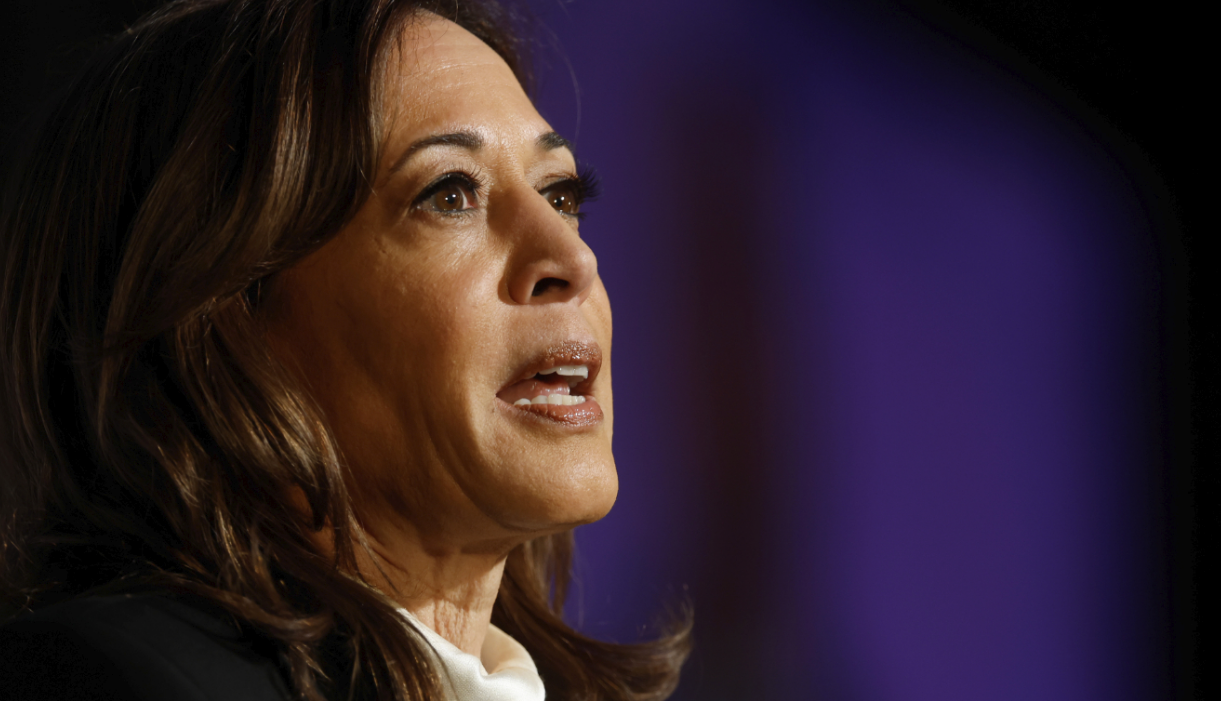
Former Vice President Kamala Harris will no longer receive U.S. Secret Service protection, following an order by President Donald Trump, according to a CBS News report confirmed by a senior White House official.
Under a law passed by Congress in 2008, former vice presidents, their spouses, and children under the age of 16 are entitled to Secret Service protection for up to six months after leaving office. However, in practice, that protection has often been extended due to heightened threats faced by public officials in the modern political climate.
What the Revocation Means for Harris

The withdrawal of Harris’ detail means that she, along with her family, must now rely on privately arranged security measures if deemed necessary.
For a figure as high-profile as a former vice president, experts warn this change could present serious security vulnerabilities.
Unlike former presidents, who receive lifetime protection, former vice presidents are left exposed once their protection window expires—unless extended by the sitting president. In recent years, bipartisan administrations have opted to continue that coverage, citing the polarized political atmosphere, increased threats of political violence, and the high visibility of former officeholders.
Heightened Risk in Polarized Times
The move comes at a time of escalating threats against political leaders, including the rise of online harassment, doxxing, and extremist activity. Analysts note that Harris, as the nation’s first Black and South Asian woman vice president, remains a particularly visible target in U.S. politics.
Security experts say without federal protection, the responsibility for Harris’ safety shifts almost entirely to her private security team, which may not have the same level of intelligence resources or operational support as the Secret Service.
The decision highlights an ongoing policy debate about whether the six-month cutoff for vice presidential protection is outdated.
Critics argue that in today’s environment of political volatility, high-profile leaders remain targets long after leaving office. Supporters of the current policy contend that indefinite protection is costly and unnecessary.