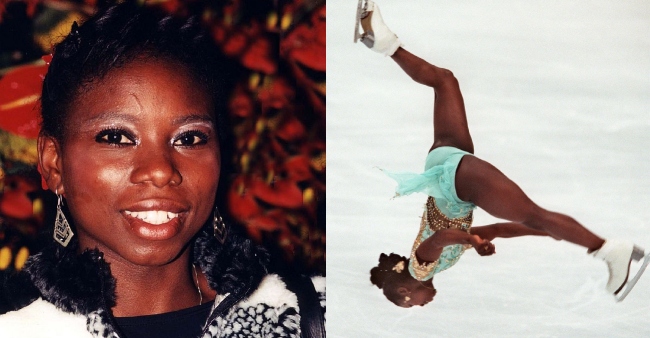
A dramatic act of defiance on the ice by French figure skater Surya Bonaly remains one of the most controversial moments in figure skating history.
The powerful incident has since reshaped conversations about judging fairness, artistry, and racial bias in the sport.
The incident traces back to the 1994 World Figure Skating Championships, where Bonaly delivered a technically strong performance widely praised for its athleticism, precision, and commanding stage presence.
But spectators reacted with shock when the judges’ scores were announced: while her technical marks ranked highly, her artistic scores were significantly lower, ultimately placing her behind competitors.
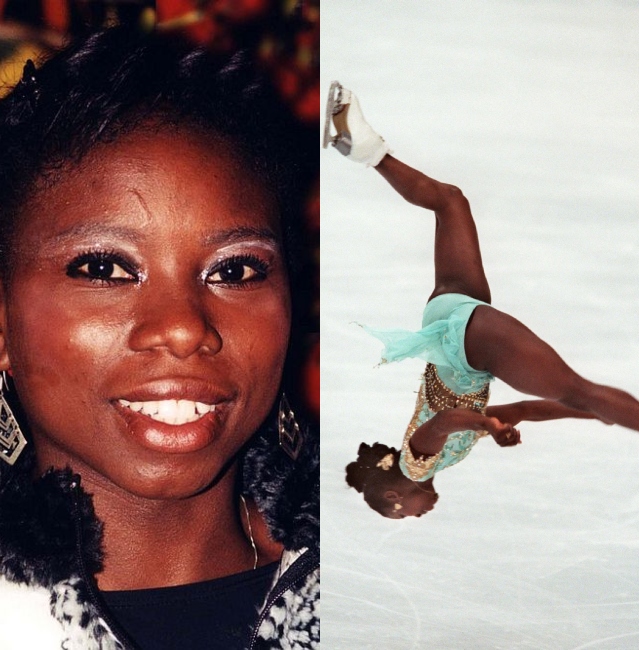
Silent Protest on the Podium
In what has since been remembered as a defining moment of athlete protest, Bonaly refused to immediately stand on the medal podium during the ceremony.
When she eventually stepped up, she removed the silver medal from around her neck and held it in her hand — a silent but unmistakable signal of dissatisfaction with the judging outcome.
Observers and commentators later described the gesture as a rare act of resistance within a sport long associated with strict decorum and conformity.
Defining Legacy at the Olympics
Bonaly’s legacy-defining moment came four years later at the 1998 Winter Olympics, where she performed a highly dangerous and prohibited one-foot backflip landing during her routine.
The move violated competition rules but electrified audiences worldwide. Though it did not earn her a medal, it cemented her reputation as one of figure skating’s most daring and influential athletes.
A Lasting Impact on the Sport
Bonaly’s career unfolded during a period when figure skating was often criticised for subjective judging standards and aesthetic expectations that critics say favoured certain styles and appearances.
Today, her protest and historic Olympic performance are widely seen as watershed moments that sparked broader discussions about fairness, inclusivity, and artistic freedom in judged sports.
More than three decades later, her actions continue to resonate — not for medals won, but for the lasting impact on the culture and history of figure skating.