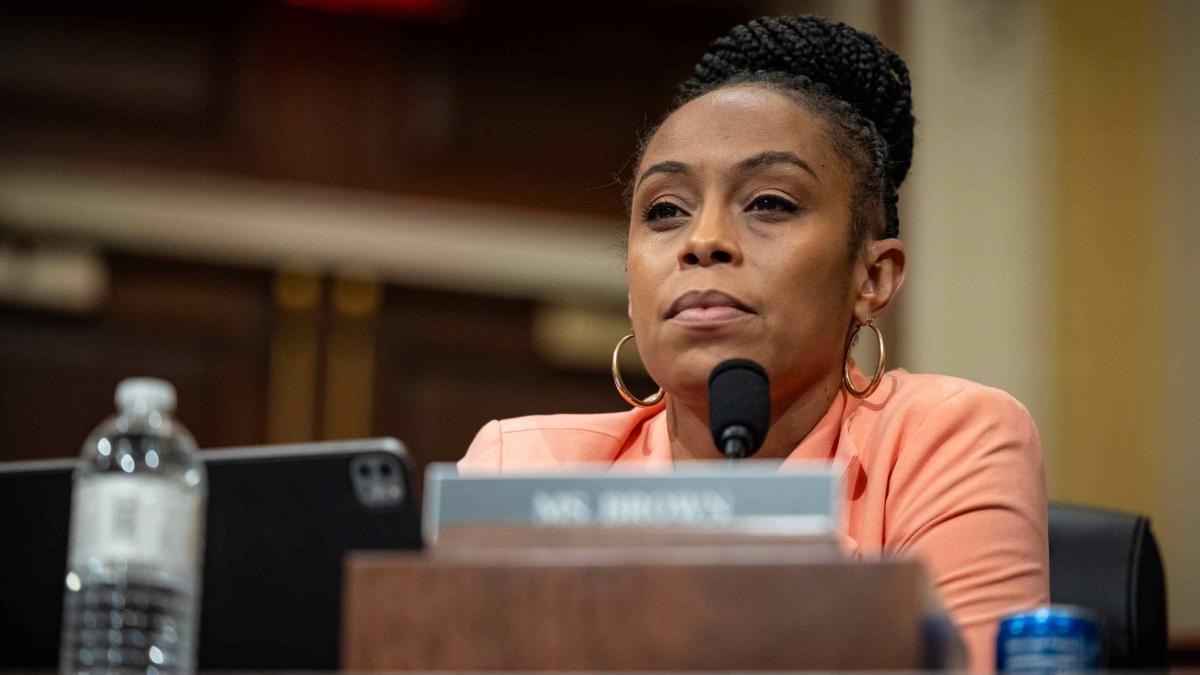
U.S. Representative Shontel Brown has accused the Department of Justice and Attorney General Pam Bondi of violating federal law by failing to fully release records related to convicted sex offender Jeffrey Epstein, escalating tensions in Congress over government transparency and oversight.
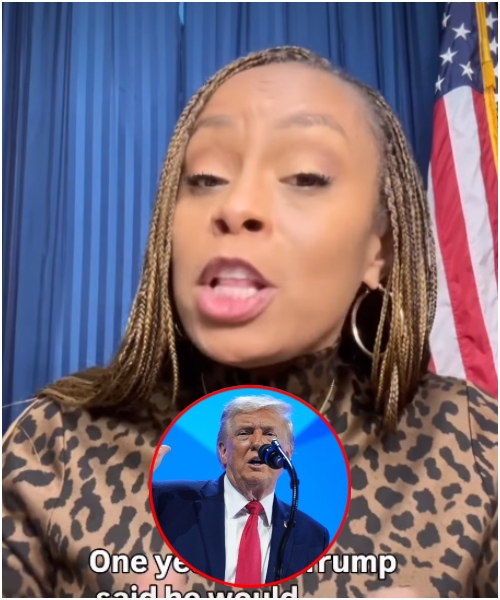
In a post shared on Instagram (@repshontel), Rep. Brown stated bluntly:
“Trump and Bondi have not released 99% of the Epstein Files. This is not compliance, nor is it transparency. It’s a coverup.”*
Her remarks were accompanied by a forceful speech delivered on the House floor, where she outlined what she described as clear statutory violations by the Justice Department.
Alleged missed deadlines and limited disclosure
According to Rep. Brown, federal law required the DOJ to release the Epstein files by December 19, 2025. More than a month after that deadline, she said only about one percent of the records have been made public.
“One percent is not compliance. One percent is not transparency,” Brown said during her floor speech. “One percent is a cover-up.”
She further criticized the material that has been released, alleging that it contains extensive and unusual redactions that may themselves be unlawful.
Brown argued that the scope of the redactions undermines the intent of the legislation, which was passed by supermajorities in Congress and signed into law by President Donald Trump.
Missing report to Congress
Rep. Brown also pointed to an additional statutory requirement obligating the DOJ to submit a report to Congress by Jan. 3, 2026, detailing its compliance with the Epstein Files Transparency Act. As of mid-January, she said, lawmakers had received no such report.
“More than two weeks later, what have we received from the DOJ? Nothing,” Brown told the House.
In her view, the issue is a test of congressional oversight, questioning why no subpoena has been issued for Attorney General Bondi and why no formal hearings have been scheduled to address the DOJ’s alleged noncompliance.
Calls for accountability
Brown challenged colleagues, particularly on the Republican side of the aisle, to press the administration for answers if they are serious about government accountability.
“Where is the subpoena for Attorney General Bondi? Where is the hearing on DOJ’s failure to comply?” she asked, adding that continued inaction risks eroding public trust in federal institutions.
The Department of Justice has not publicly responded to Brown’s accusations.
As scrutiny grows, the dispute is shaping up to be a major legal and political flashpoint, raising broader questions about executive transparency, congressional enforcement powers, and the limits of redaction in high-profile federal disclosures.