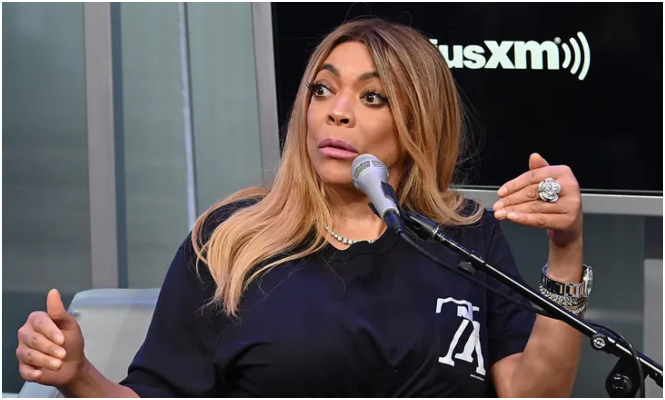
Former talk show host Wendy Williams will be deposed in the ongoing lawsuit over Lifetime’s controversial documentary Where Is Wendy Williams?, despite her diagnosis of primary progressive aphasia and frontotemporal dementia.
According to court documents obtained by PEOPLE, a judge ruled on Sept. 15 that A&E Television Networks may move forward with a “de bene esse” deposition of Williams, 61, before Nov. 4. The legal measure allows testimony to be recorded in anticipation of future need, particularly when a witness’ memory, health, or availability may decline.
Judge Rules Condition Does Not Exempt Testimony

Williams has been under a court-ordered guardianship since 2023, with Sabrina Morrissey serving as her legal guardian. Morrissey filed the lawsuit against A&E earlier this year, arguing that Williams did not have the capacity to consent to the filming or release of the documentary due to her medical condition.
The judge, however, ruled that Williams’ neurological diagnosis “does not insulate her from providing testimony,” emphasizing that the Federal Rules of Evidence contain no requirement of mental ability for a witness. Instead, the ruling makes clear that “it will be up to the jury in this case to decide what weight to give” her testimony.
Strict Parameters for the Deposition
Given Williams’ health, the judge established strict limits for the deposition:
- Testimony will be capped at three hours per day and cannot exceed three days total.
- Williams may testify remotely to reduce strain.
- Only two attorneys for A&E and one attorney for Williams’ guardianship case may be in the room.
- Proceedings must allow for medical accommodations and sufficient breaks.
The deposition must take place by Nov. 4, while a joint court update on the broader guardianship case is due by Nov. 5.
Guardianship Under Scrutiny
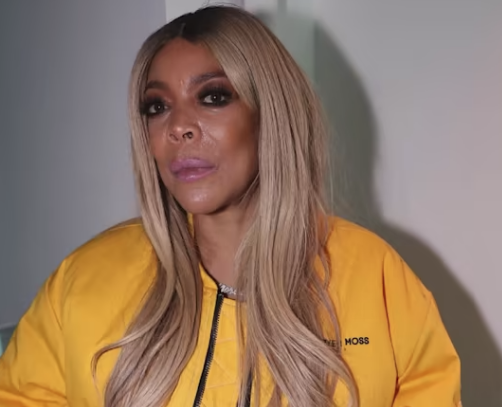
The ruling comes amid an ongoing review of Williams’ guardianship status. Court filings reveal disputes between Morrissey, members of Williams’ family, and her ex-husband over who should serve as guardian and whether guardianship remains necessary.
Williams has consistently denied that she is “cognitively impaired,” including in a February appearance on The Breakfast Club. Yet, doctors have conducted extensive evaluations — including neuropsychological testing and brain scans — to assess her condition.
Documentary Pulled From Air
The lawsuit against A&E claims that the docuseries was exploitative and filmed without Williams’ informed consent.
At a Sept. 5 hearing, attorneys for Williams’ camp said the program was “so horrific that it could no longer be found on the air anywhere.” A&E later admitted they had voluntarily pulled the series, citing respect for ongoing litigation.
Despite her health struggles, Williams’ voice in this case will be heard — at least for the jury to consider.