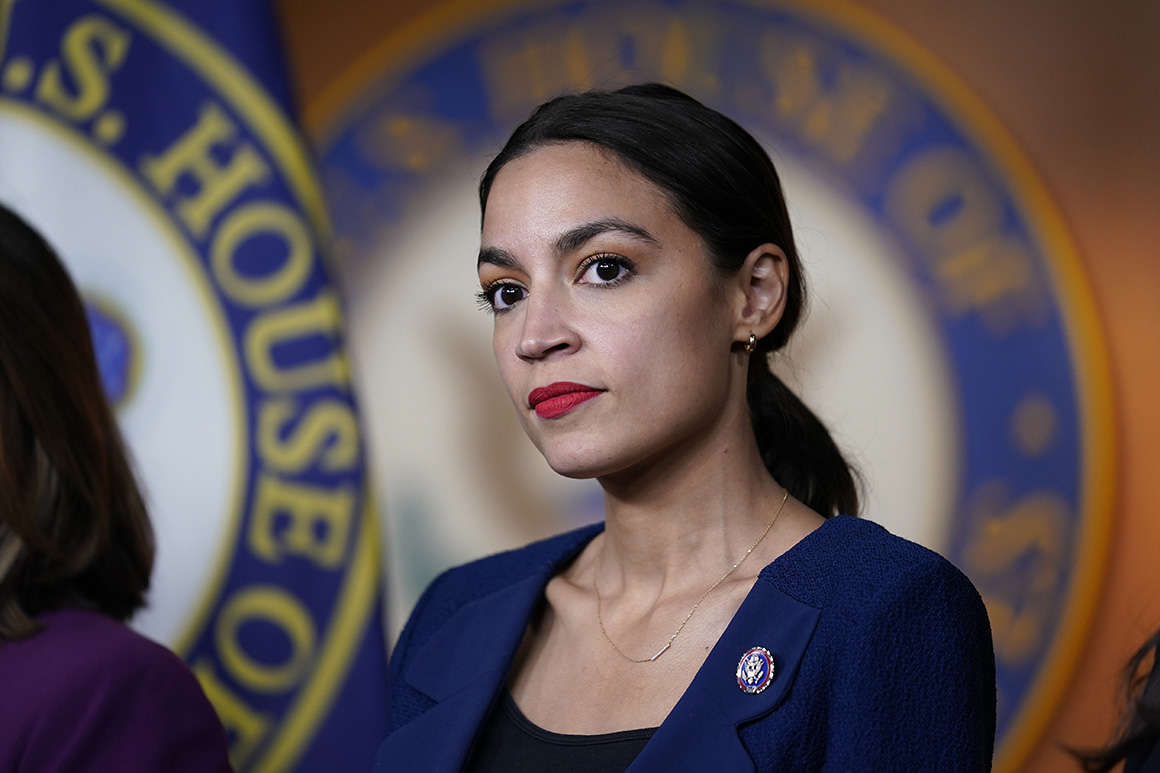
U.S. Representative Alexandria Ocasio-Cortez has expressed confidence that she could defeat Vice President JD Vance if the two were to face each other in the 2028 United States presidential election, responding to early polling that suggests a competitive matchup.
In a short video shared by People magazine on Instagram, the New York Democrat was asked whether she believed she could beat Vance in a head-to-head presidential race, as some early surveys have indicated.
“Listen, these polls like three years out are, you know, they are what they are,” Ocasio-Cortez said, downplaying the reliability of long-range polling. She then added pointedly: “But let the record show — I will stop him.”

The comment, brief but emphatic, has drawn significant attention online, with supporters praising her confidence and critics questioning the seriousness of early 2028 speculation.
Early Signals, Not a Campaign
At 35, Ocasio-Cortez is one of the most prominent progressive voices in the Democratic Party. While she has not announced any intention to run for president, her remarks underscore her growing national profile and influence within the party’s base.
Political analysts caution that polls conducted several years before an election are highly speculative, often reflecting name recognition and partisan sentiment rather than firm voter commitments. Ocasio-Cortez herself acknowledged this reality in her response.
Vice President JD Vance, a leading figure in the Republican Party and a close ally of President Donald Trump, is widely viewed as a potential standard-bearer for the GOP beyond the current administration. However, he too has not formally declared plans to seek the presidency in 2028.
A Snapshot of the Political Moment
The exchange reflects broader dynamics shaping U.S. politics: a potential generational contrast, sharp ideological divides, and early jockeying for influence long before the next presidential cycle officially begins.
For now, Ocasio-Cortez’s statement appears less about launching a campaign and more about drawing a clear political line—signalling confidence in her ability to challenge Republican leadership should the opportunity arise.
As the 2028 race remains distant, both parties are still navigating internal debates about leadership, direction, and the future of American politics.