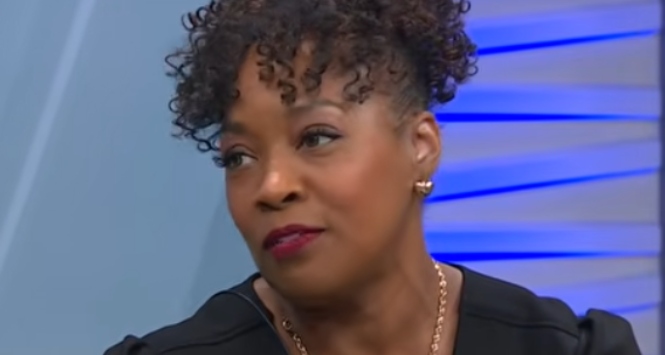
Democrat Na’Cole Thompson has been elected mayor of Leander, Texas, after unofficial results showed her securing a decisive majority of votes in a city that supported Donald Trump by about four percentage points in the 2024 presidential election.
The outcome, according to The Coffman Chronicle, is drawing attention because Leander, a fast-growing suburb north of Austin, has leaned Republican in recent federal contests, even though municipal elections in Texas are officially nonpartisan.
Strong victory margin
According to unofficial totals reported by Community Impact, Thompson received 3,372 votes, or roughly 57%, defeating two opponents in the three-candidate special election:
- Mike Sanders: 1,531 votes
- Kathryn Pantalion-Parker: 1,001 votes
The election was held to fill the remainder of the mayoral term through May 2027 after former Mayor Christine DeLisle resigned.
Thompson is expected to be sworn in later this month once results are formally certified.
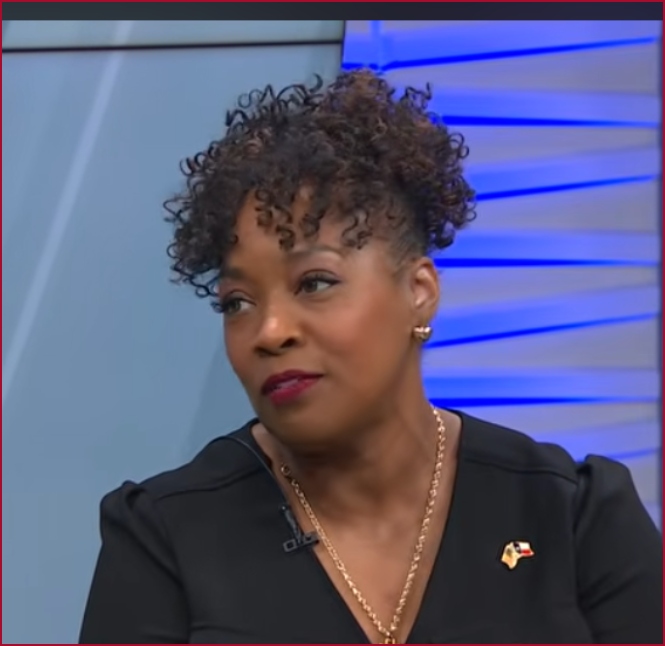
Experience and local issues key to campaign
Thompson previously served as mayor pro tem and as a member of the Leander City Council, giving her a strong local governance profile that resonated with voters.
Her campaign focused heavily on issues central to rapidly expanding suburban communities, including:
- Managing population growth
- Infrastructure development
- Public services and city management
Following the release of unofficial results, Thompson expressed optimism about the city’s future.
“I’m really excited to continue serving the city of Leander and to move forward together,” she said.
What the result signals
While the ballot itself did not list party affiliations, political observers say the result reflects a broader pattern emerging in some U.S. suburbs, where local elections sometimes diverge from national voting trends.
Despite Republican strength in presidential races, Democratic-aligned candidates have increasingly performed well in municipal contests, particularly in rapidly growing communities experiencing demographic shifts.
Analysts note that turnout patterns and local issues often play a greater role in city elections than national party alignment.
A changing suburban political landscape
Leander’s mayoral outcome adds to a growing list of suburban municipalities where local political dynamics appear to be evolving independently of national voting patterns.
As cities expand and confront infrastructure and development pressures, candidates with local governance experience may have an advantage regardless of broader partisan leanings.