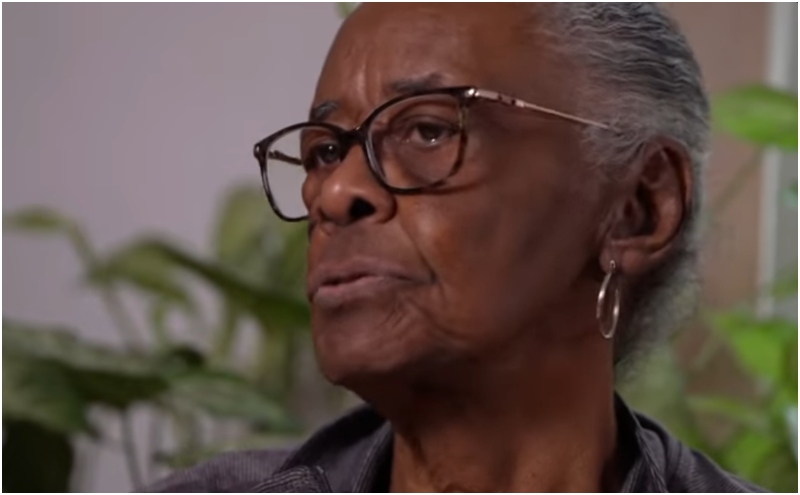
An 83-year-old woman in Dallas says she has been left financially exposed after Wells Fargo declined to reimburse nearly $15,000 that was withdrawn from her account through what she describes as an altered and fraudulently cashed check.
Billie Young says the incident dates back to August 2024, when she wrote two checks from her Wells Fargo account—one to cover her electric bill and another for $14,952.52 to fully pay off her car loan.
Weeks later, after receiving a utility cutoff notice, Young contacted the bank and learned that the electric bill check had not cleared. She requested a stop payment.
During that same call, Young asked about the status of her car loan check and said she was told it had already cleared. At the time, she said, she was not informed that the check had allegedly been deposited or cashed by someone other than the intended lender.
It was not until October 2024, when Young received another bill from her car financing company, that she realized the loan had never been paid off. Alarmed, she requested a copy of the processed check from Wells Fargo. According to Young, the document revealed that the payee name had been altered to an unfamiliar individual, and her signature appeared to have been modified.
Fraud Claim Denied
Young filed a formal fraud complaint with Wells Fargo that same month. The bank denied the claim, citing its deposit account agreement, which places responsibility on customers to review monthly statements and report errors or unauthorized transactions within 30 days.
In its response, the bank stated:
“The customer is responsible for reviewing their monthly account statements and letting us know within 30 days about any errors or unauthorized transactions. The claim will remain denied, and we will not reimburse you for the disputed transactions.”
The decision has left Young and her family frustrated, particularly given her age and the size of the loss.
Family Appeals, Police Investigation Lags
Young’s granddaughter, Kecia Byars, has since appealed the bank’s decision and filed a police report with the Dallas Police Department. Byars says progress on the investigation has been slow, adding to the family’s distress.
The case has since drawn wider public attention after being highlighted in the media, raising renewed questions about consumer protections for elderly customers and banks’ responsibilities in detecting altered or fraudulent checks.
Bank Reopens Review After Media Attention
Following the publicity surrounding Young’s case, Wells Fargo announced that it would re-review the matter, though it has not publicly indicated whether reimbursement will be granted.
Consumer advocates say the case underscores the risks faced by older Americans who rely on traditional banking methods such as paper checks, and it has renewed calls for stronger safeguards, clearer fraud notification standards, and more flexible dispute timelines—especially for seniors.
As of now, Young says she is still waiting for resolution, hoping the renewed review will finally bring accountability and financial relief.