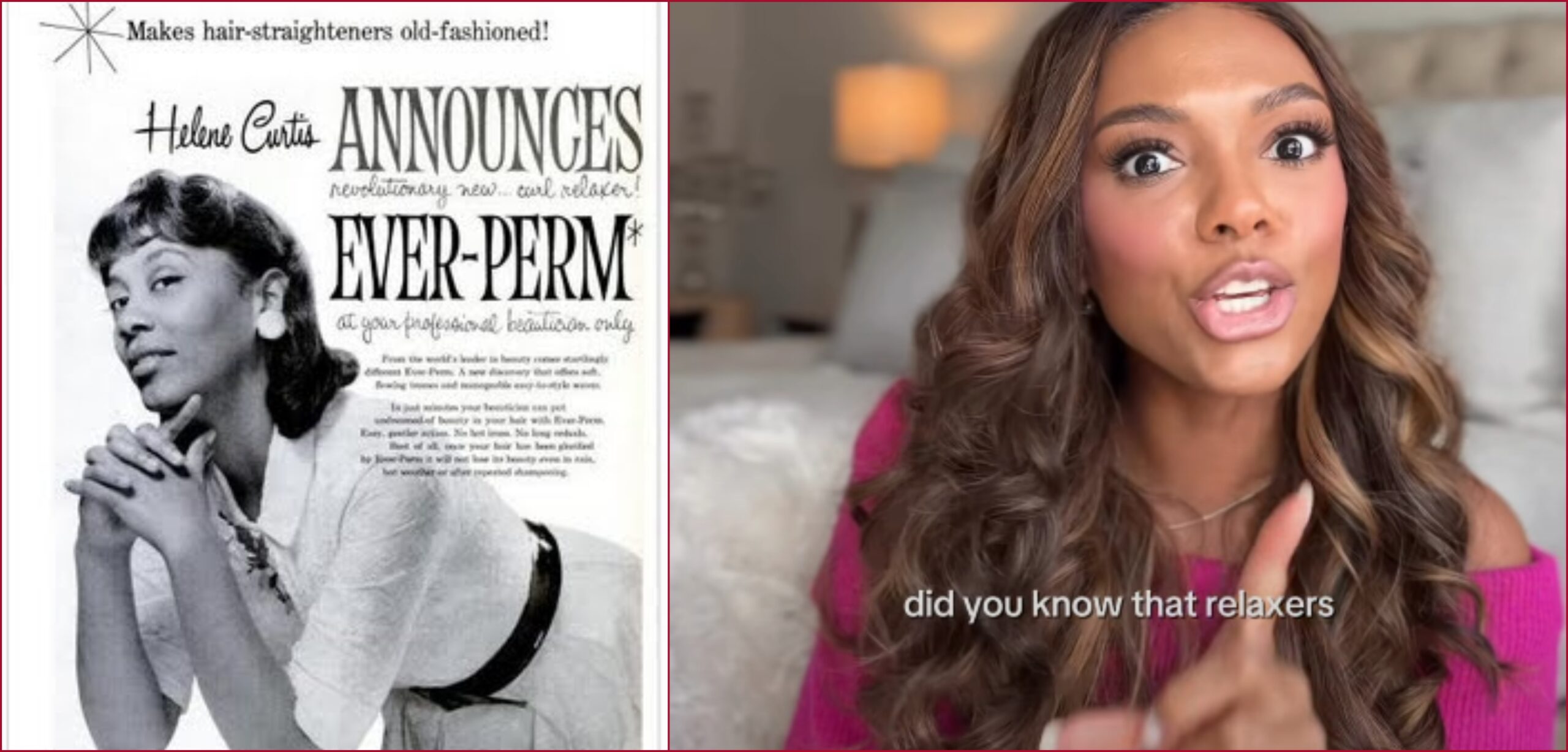
A social media post by “hair educator” Kristen Stikes offers a fresh perspective on the historical role of chemical hair relaxers in shaping workplace opportunities for Black women.
Stikes, who shared the commentary on Instagram, argued that relaxers were not initially embraced as beauty products but were instead marketed as tools for economic survival during periods when natural Black hairstyles were widely stigmatized in professional environments.
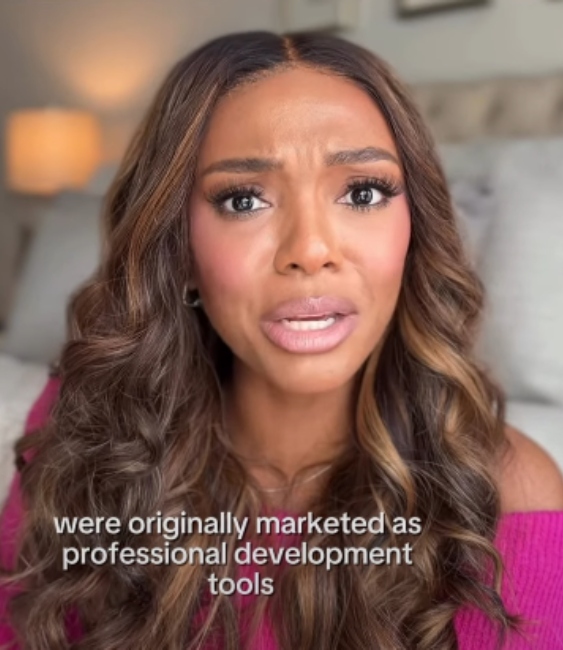
According to her post and accompanying video, early advertising for chemical straighteners presented them as a “professional development” necessity. She explained that many Black women used relaxers not out of insecurity about their natural hair, but to meet workplace standards tied to hiring, retention and advancement.
“If you wanted to keep that good government job with benefits, you wouldn’t relax that head,” Stikes said in the video, explaining that the decision often came down to economic stability rather than personal preference.
Historical Context of Workplace Pressures
Experts note that for much of the 20th century, employment policies and social norms in the United States frequently equated professionalism with Eurocentric beauty standards. Natural hairstyles such as afros, braids and locs were often deemed “unprofessional,” limiting opportunities for many Black workers.
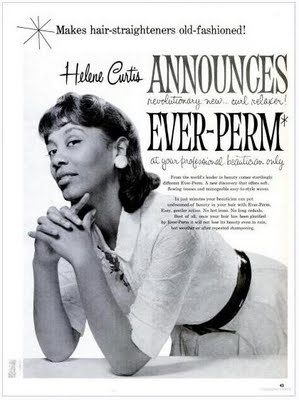
Stikes said this context explains why relaxers became widespread across generations, linking the issue directly to structural barriers rather than individual choice.
She also highlighted how the legacy of these standards contributed to long-term perceptions around beauty and identity within Black communities.
Connection to Modern Legal Reforms
The discussion comes amid ongoing awareness campaigns around hair discrimination laws, including policies designed to protect workers and students from bias based on natural hairstyles.
Stikes noted that understanding the origins of relaxers is key to understanding why modern protections were introduced — particularly legislation aimed at addressing discrimination tied to hair texture and style.
Renewed Social Media Debate
The post has drawn widespread engagement online, with many users sharing personal stories about workplace pressure to alter their hair.
Supporters say the conversation helps reframe narratives around Black hair choices, shifting focus from individual preference to systemic inequality.