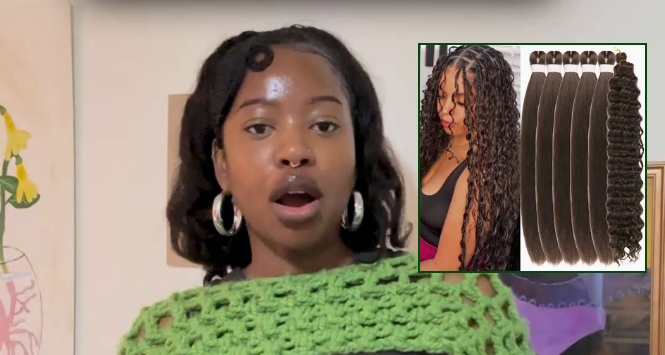
Non-profit Consumer Reports has issued a stark warning about the presence of a cancer-causing chemical in synthetic braiding hair products, prompting growing calls for accountability from manufacturers and regulatory reform across the beauty industry.
In a recent post shared to Instagram, the nonprofit consumer advocacy group revealed that benzene—a known carcinogen—was detected in three out of ten synthetic braiding hair products it tested, including products sold by popular brands Sensationnel and Magic Fingers.
“Benzene is a cancer-causing chemical. It shouldn’t be in beauty products like synthetic braiding hair,” the organization said in the post, urging consumers to sign a petition demanding the removal of the chemical from the implicated brands’ offerings.
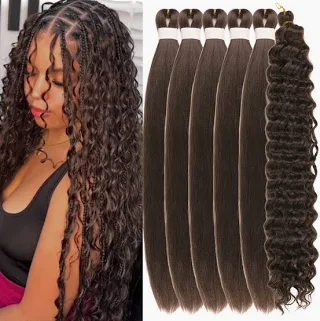
The video accompanying the post explained the potential health risks for millions of Black women and girls who regularly wear braided hairstyles, often keeping synthetic braids installed for weeks at a time.
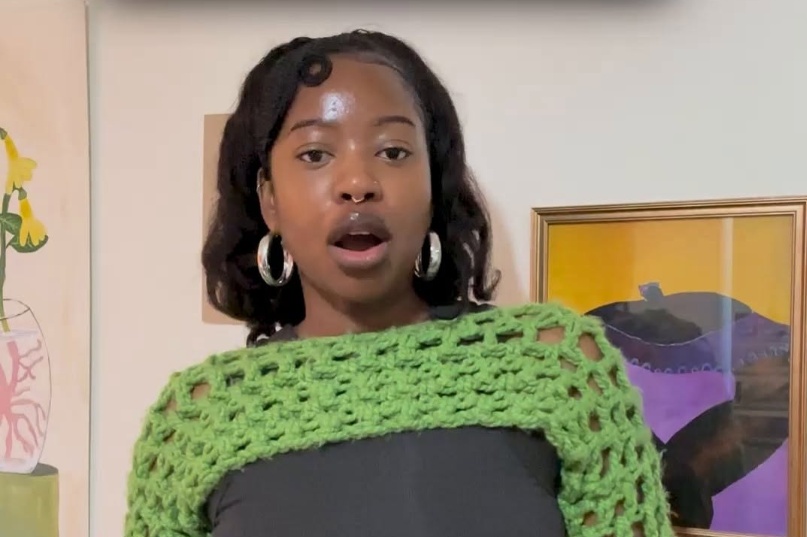
“If seven of the ten products we tested had no benzene, then why is it still present in Sensationnel and Magic Fingers products?” a Consumer Reports representative asked during the video. “Black women and girls could unknowingly be increasing their exposure to benzene and its harmful effects.”
According to Consumer Reports, the testing found no benzene in seven of the ten samples, proving that safer formulations are possible.
Benzene exposure has been linked to several serious health issues, including leukemia and other blood-related cancers. The chemical is often found in industrial settings but has increasingly come under scrutiny after being discovered in consumer products ranging from aerosol sunscreens to dry shampoos—and now, hair extensions.
Consumer Reports is calling on both brands to eliminate benzene from their manufacturing process and to be transparent about their product safety. The group is also urging regulators to establish clear safety standards for beauty and hair care products, particularly those marketed to communities of color.
The post and video have quickly gained traction online, with many advocates, stylists, and consumers sharing concerns about long-term health implications and a lack of regulatory oversight in the multi-billion-dollar ethnic hair care industry.
“This isn’t just a beauty issue—it’s a public health issue, and it disproportionately affects Black women and girls,” said one commenter on the post. “We deserve products that are both effective and safe.”
Consumers can join the call to action by signing the petition linked in Consumer Reports’ Instagram bio.