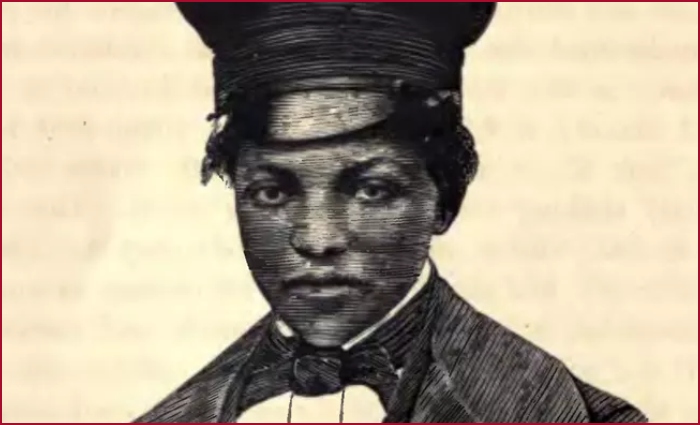
At just 15 years old, Anna Maria Weems carried out one of the most daring escape journeys of the slavery era — disguising herself as a male carriage driver and traveling hundreds of miles to freedom.
Her story, now highlighted during Black History Month, reflects both the brutal dangers of slavery and the extraordinary courage of those who risked everything to escape.
A risky disguise and a bold plan
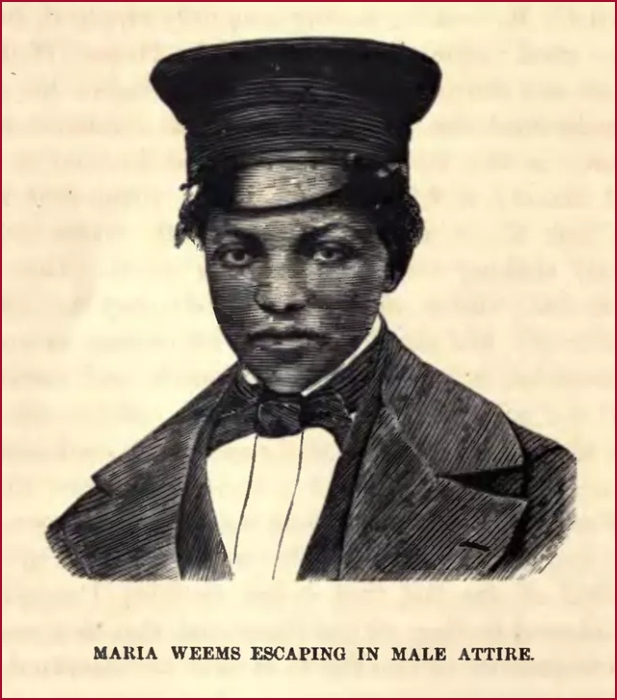
According to records cited by the National Park Service and historical research, Weems fled enslavement in Maryland on Thanksgiving Day in 1855.
To avoid detection, she cut her hair, dressed as a young enslaved boy, and adopted the alias “Joe Wright,” posing as a livery worker and carriage driver.
The disguise was essential. At the time, the Fugitive Slave Act of 1850 made it extremely dangerous for freedom seekers, as it allowed slave catchers to pursue escaped enslaved people even in free states and required citizens to help capture them.
A dangerous journey to freedom
Weems’ journey lasted nearly two months and stretched from Maryland through major Northern cities before reaching Canada.
Historical accounts say she traveled first to Philadelphia, where Underground Railroad conductor William Still helped arrange her passage north.
From there, she moved through New York and eventually crossed into Canada over the Niagara Falls Suspension Bridge — a key escape route for many enslaved people seeking safety beyond U.S. jurisdiction.
She later reunited with family members who had also escaped and settled in Canada, where she lived out the rest of her life in freedom.
Born into bondage
Weems was born around 1840 in Rockville, Maryland, to a free father and an enslaved mother. Because of laws tying a child’s status to the mother’s condition, she and most of her siblings were born into slavery.
After the death of their enslaver in 1847, the family was divided among heirs — a common practice that often shattered enslaved families.
Part of a larger legacy of resistance
Weems was not alone in using disguise as a path to liberation. Other notable escapees, including Ellen Craft, also used similar tactics to evade slave catchers.
Still, historians say Weems’ story remains less widely known despite its remarkable bravery.
Her escape highlights the ingenuity and determination of enslaved people — and the lengths they went to claim freedom in one of the darkest chapters of American history.