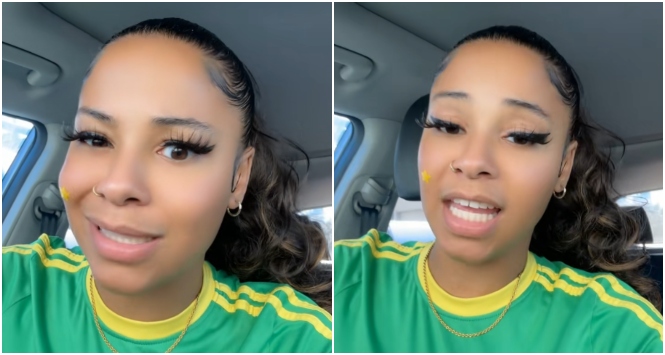
A rising voice on TikTok is sparking important conversations after posting a deeply personal video about the complex, isolating experience of growing up biracial.
Brooke Crawford notes that the racism that biracial people experience is stronger within a white family that harbored openly racist views.
In her now-viral video on TikTok (@babygirlbrookie), Crawford recalls how racism shaped her identity from childhood, sometimes coming from the very people who were supposed to love her.
“A lot of people on my mom’s side of the family were Aryan Nation skinheads,” she reveals in the post. “I didn’t know what that was as a kid. I didn’t understand why certain people in my family wouldn’t say hello to me or my dad or my mom — because they were disgusted.”
A Childhood Marked by Rejection and Confusion
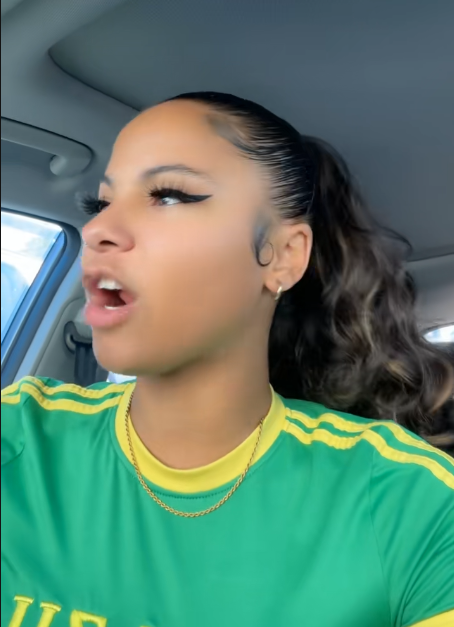
From a young age, Crawford says she struggled with the emotional weight of racial rejection, both subtle and overt.
She was often told she had her mother’s features but “with dark skin” — always accompanied by a look of disgust.
“You gain a complex, and you just don’t feel beautiful,”nshe explains. “No matter how gorgeous you are, you change yourself.”
In high school, Crawford straightened her hair daily just to avoid unwanted attention and harassment. She recalls, her efforts to fit in, particularly in predominantly white suburban spaces, meant painful compromises that many biracial individuals, like her, have to make.
“I went to school with my white siblings, and everyone asked if I was adopted from Africa — as a joke — because I’m the only Black one,” she recounts. “It sucked.”
Rejected for Being Too Black, Then Not Black Enough
Crawford’s story takes an even more complex turn as she describes arriving at college, where her Black identity was suddenly questioned — this time by people who looked like her.
“I get to college and people are telling me I have to say I’m biracial, that I can’t say I’m Black,” she says. “And that was the first time my Blackness was ever denied — even though that’s all I’ve ever been seen as.”
This identity whiplash, from being “too Black” for her white family to “not Black enough” for some peers, highlights a common but rarely discussed emotional burden faced by many multiracial individuals.
No, You Don’t Know How Confusing That Is
The emotional heart of the video is Crawford’s clear plea for empathy:
“You don’t know what it’s like to grow up mixed. You don’t realize that a lot of us deal with racism since day one — all the time — from people who are supposed to love us,” she says. *“You don’t know how confusing that is. No, you don’t.”
Her honesty is resonating with many who share similar struggles navigating racial identity, belonging, and family trauma. Commenters have praised her courage in speaking out, with some sharing their own experiences of being caught between two worlds.
“My grandma is biracial and her story breaks my heart. Nobody listens to y’all 🫂 just projections smh,” someone commented.
A Larger Conversation on Biracial Identity
Crawford’s video taps into a growing online discussion around what it means to be biracial in America**, especially in families where **anti-Blackness is normalized.
Her story sheds light on the psychological toll of constantly having one’s identity questioned, denied, or disrespected — from within the home and outside it.