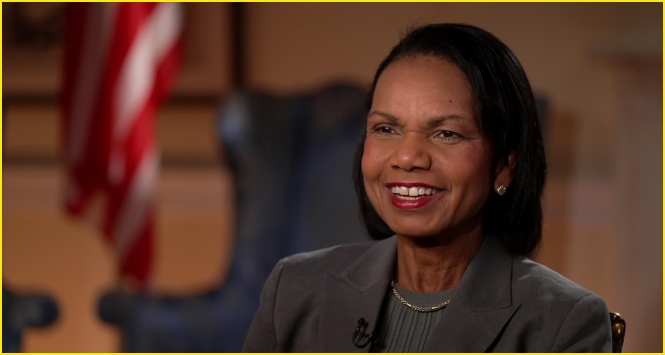
In a recent interview shared by CBS News, former U.S. Secretary of State Condoleezza Rice offered a sobering yet cautiously hopeful take on the fragile peace process unfolding between Israel and Hamas.
Her words — “everybody has a stake in this working” — capture the delicate balance of diplomacy, humanitarian urgency, and global accountability that defines one of the most complicated conflicts in modern history.
Rice, who served as Secretary of State under President George W. Bush, has a long history with the region — including direct involvement in negotiating the 2005 Movement and Access Agreement governing the Rafah crossing between Gaza and Egypt.
In her remarks, she reflected on how this narrow border point — often the only exit for civilians and aid — remains central to both humanitarian access and political stability.
“No one can be completely confident given the history of the Middle East,” Rice said, referencing the long-standing volatility that has defined decades of negotiations. “But there are several elements that I hope will make this particular, very important period possible for success.”
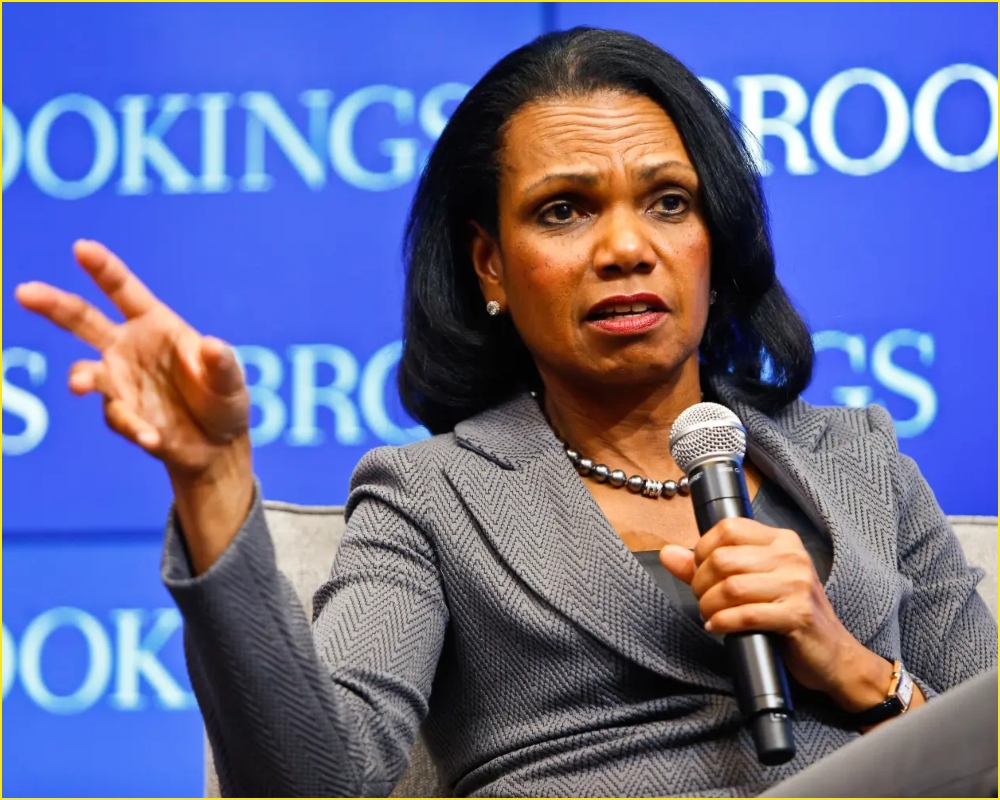
According to Rice, these elements include U.S. coordination of about 200 civil-military personnel to manage humanitarian efforts and logistical movement, as well as American involvement in verifying ceasefire progress.
She explained that while the U.S. role shouldn’t be “overplayed,” its strategic presence is vital for ensuring credibility and structure during the early phases of the deal.
When Hope Meets Realism
What makes Rice’s comments stand out isn’t just her diplomatic experience — it’s her quiet admission of uncertainty.
“No one can be completely confident,” she said, and that’s the truth the world often forgets when we discuss peace in the Middle East. This isn’t a movie where a single signature ends the war.
It’s a process — layered, exhausting, and often painful — where even a ceasefire must be verified step by step, movement by movement.
And yet, Rice’s tone wasn’t pessimistic. It was pragmatic. She recognizes that “structure” matters — that successful peace doesn’t come from slogans or social media debates, but from organizing the crossings, securing humanitarian corridors, and making sure people aren’t crushed in chaos at the borders.
From a global citizen’s standpoint, her comment that “everybody has a stake” in this working rings true. Whether you’re in Cairo, Washington, Tel Aviv, or Gaza City, instability in the Middle East ripples outward — affecting everything from global energy prices to refugee migration patterns to international security alliances.
It’s also worth noting that Rice subtly acknowledged a shift in American diplomacy: a quieter, more coordinated approach. The U.S. isn’t trying to dominate this process; it’s trying to steady it. That’s a rare balance, especially when every move is scrutinized under the harsh light of global politics and public skepticism.
The Bigger Picture
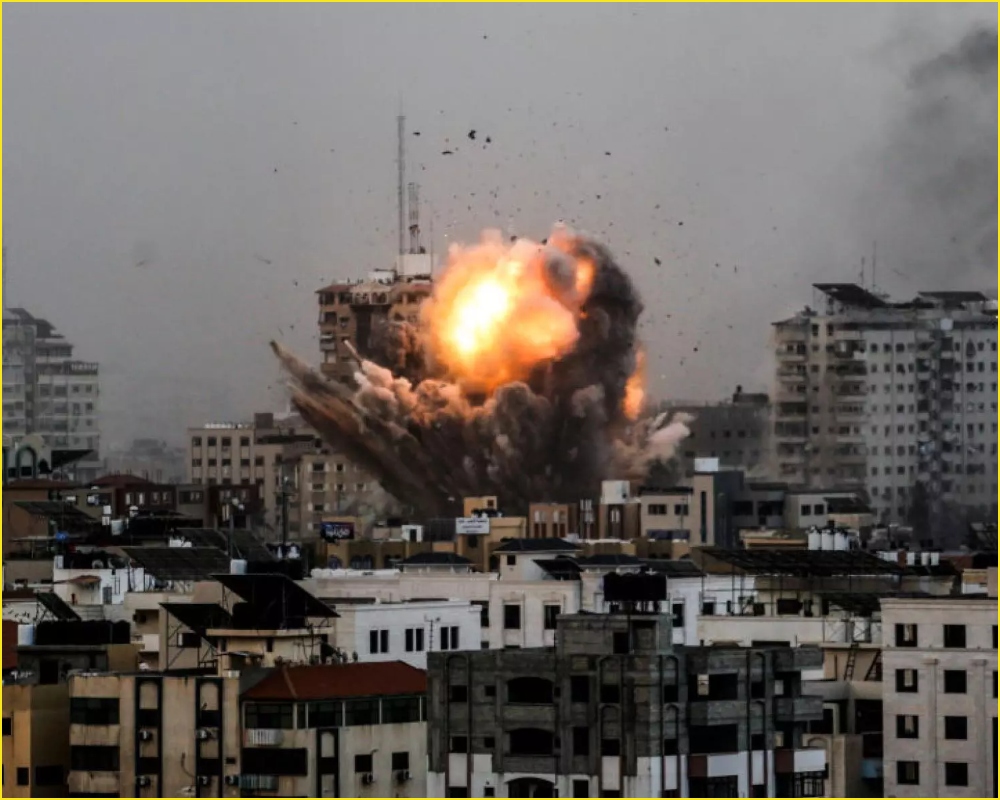
If Rice’s words remind us of anything, it’s that peace — however tentative — begins with management, not magic. The Rafah crossing, the humanitarian operations, the verification process — these aren’t headlines; they’re the foundation of stability.
For those of us watching from afar, it’s a call to look beyond the hashtags and remember the human side of diplomacy. Peace requires more than signatures and statements — it needs systems, accountability, and, yes, hope.
As Rice put it, “this step has to work first.” And that, more than anything, is the heart of her message.