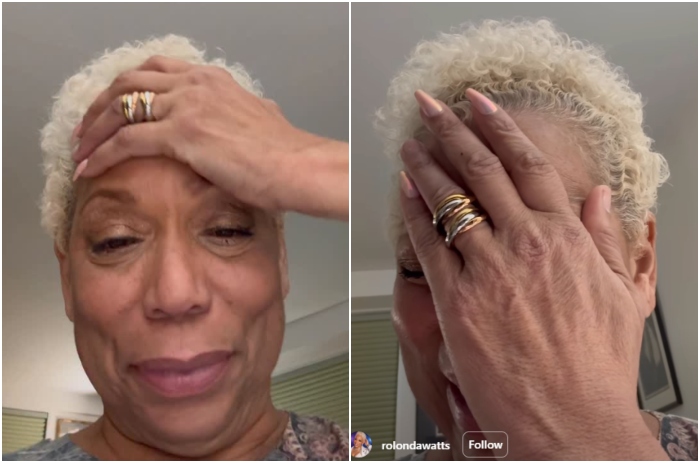
Comedian and media personality Rolonda Watts has shared a firsthand account of what she described as a “terrifying moment” after the taxi she was riding in was stopped by U.S. Immigration and Customs Enforcement (ICE) late at night following a performance.
In a video posted to her Instagram account, Watts said the incident occurred as she was heading home from a comedy show. According to her account, ICE agents stopped the taxi, marking the third time the driver had been pulled over by immigration officers.
“I really don’t even know what to say,” Watts said in the video. “I just got out of a taxi and it was stopped by ICE. My taxi was stopped by ICE. And the poor guy said this is the third time he’s been stopped.”
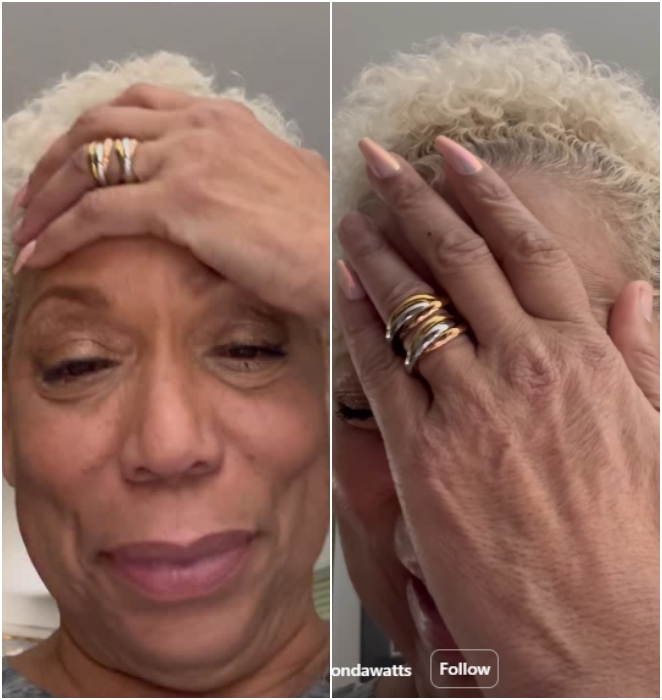
Watts added that she pretended to be asleep during the encounter, later reflecting emotionally on the experience and what it represented for her.
“My country… my sweet land of liberty,” she said, amid sobs that captured her sense of shock and unease.
While Watts did not indicate that anyone was detained or arrested, her post quickly resonated with followers, many of whom viewed it as emblematic of broader concerns surrounding immigration enforcement practices in the United States.
A broader climate of enforcement and fear
The incident comes amid an ongoing national debate over the scope and visibility of ICE operations, particularly in public spaces. Immigration enforcement actions (whether at workplaces, homes, or during traffic-related stops) have long been criticized by civil rights advocates for creating a climate of fear that extends beyond undocumented immigrants to citizens, legal residents, and communities at large.
Public figures like Watts sharing personal experiences have increasingly drawn attention to how routine activities, such as taking a taxi home or eating at a restaurant, can become moments of anxiety in the current enforcement environment. Advocacy groups argue that such encounters contribute to mistrust of law enforcement and discourage immigrant communities from participating fully in civic life.
ICE has maintained that its operations are targeted and lawful, focusing on individuals who pose public safety or national security risks. However, critics say repeated stops, such as those described by the taxi driver in Watts’ video, raise questions about profiling and the collateral impact on everyday workers. The recent killing of Renee Nicole Good by an ICE agent has worsened their public image.
Public reaction and cultural impact
Watts’ post, tagged with the hashtag #thisisamerica, situates her experience within a broader cultural conversation about freedom, equality, and the lived realities of immigration policy.
As a well-known entertainer and commentator, her remarks add to a growing body of personal narratives shaping public perception of immigration enforcement beyond policy debates and official statements.